
 Facebook
 X
X LinkedIn
 Forward
WAI's 24th Annual Update in Alzheimer's Disease and Related Dementias
Date
Friday, September 18, 2026
Location
Memorial Union, University of Wisconsin‒Madison Campus
800 Langdon Street
Madison, WI 53706
Meeting Room: Great Hall (4th Floor)
Provided by
University of Wisconsin‒Madison Interprofessional Continuing Education Partnership (ICEP)
Conference Format
The format for this meeting is in-person only.
Statement of Need
As of 2026, it is estimated 7.4 million Americans aged 65 and older are living with clinical Alzheimer’s dementia. It is anticipated the aging baby-boom generation will bring the estimate to 13.8 Americans aged 65 and older living with clinical Alzheimer’s dementia by 2060. Alzheimer's disease is the seventh-leading cause of death in the United States. As a result, there is a heightened need for researchers, healthcare professionals, and policymakers to prevent and address the increasing needs and prevalence of Alzheimer’s disease and related dementia in an aging society. - Source: 2026 Alzheimer’s Disease Facts and Figures, Alzheimer’s Association
Conference Overview
This annual, in-person conference is designed to enhance the diagnostic and therapeutic skills of healthcare professionals caring for individuals living with Alzheimer’s disease and other dementias. The program features six evidence-based presentations highlighting innovative best practices and emerging research.
Intended Audience
This activity is intended for primary care physicians, psychiatrists, neurologists, nurse practitioners, nurses, psychologists, social workers, physician assistants, occupational and physical therapists, researchers, case managers, and other healthcare professionals who diagnose, treat and manage Alzheimer's disease and related disorders in diverse populations.
Elements of Competence
This continuing education activity has been designed to change learner competence and focuses on the following competencies:
American Board of Medical Specialties:
- Medical knowledge
- Practice-based learning and improvement
- Interpersonal and communication skills
- Professionalism
Interprofessional Practice:
- Values and ethics
- Roles and responsibilities
- Communication
- Teams and teamwork
Global Learning Objectives
- Apply evidence based and culturally responsive strategies to improve diagnosis, prevention, and management of Alzheimer’s disease and related dementias in diverse communities.
- Integrate best practice, culturally tailored care management approaches to optimize health outcomes and quality of life for patients living with cognitive disorders
Registration Fee
The conference registration fee is $250.
The fee includes the cost of tuition, conference completion report, and a nonrefundable processing fee of $50.
Cancellation and Refund Policy
Requests for cancellation must be submitted in writing to [email protected]. Cancellation requests received at least 96 hours prior to the conference will allow a full refund except for the nonrefundable processing fee of $50. No refunds will be made for cancellations received less than 96 hours prior to the activity start date.
For Further Information
- Meeting content: Jody Krainer, [email protected]
- Registration assistance: [email protected]
Conference Agenda
Friday, September 19, 2025 | |
| AM | |
8:00 a.m. | Check-in and Continental Breakfast |
8:15 a.m. | Welcome and Opening Remarks |
8:45 a.m. | Update on Biofluid-Based Biomarkers for Alzheimer's Disease |
9:45 a.m. | Detecting and Managing Delirium in Persons with Dementia: Integrating Technology and Human Intelligence |
10:45 a.m. | Break |
11:00 a.m. | Contributions of Intergenerational Research to Understanding Mechanisms of Disparities in Alzheimer's Disease and Cognitive Aging |
| PM | |
| 12:00 p.m. | Lunch |
1:00 p.m. | Neuroimaging Techniques to Identify Alzheimer’s Disease and Related Dementias |
2:00 p.m. | The State Alzheimer's Research Support Center |
3:00 p.m. | Healthy Cognitive Aging and Lifestyle Intervention |
4:00 p.m. | Closing Remarks |
4:15 p.m. | Connect and Celebrate (a post-conference informal social gathering) |
Meeting Room
Meeting Room: Great Hall (4th Floor)
Hotel Room Block
A block of hotel rooms has been held for attendees needing overnight accommodations on the night of September 17. Please see details below and call the hotel to make your reservations no later than August 27, 2026.
DoubleTree by Hilton Madison Downtown
525 West Johnson Street | Madison, Wisconsin 53703
Phone: (608) 251-5511
Group Name: ADRD Annual Update
Arrival Date: 09/17/2026 | Departure Date: 09/18/2026
Rate: $138 (reduced UW rate)
Cut off deadline: 08/27/2026.
Guests are responsible for all charges.
Onsite parking is available at $25.00 per night.
For your convenience, the hotel offers a free shuttle for airport pick-up and drop-off, as well as to destinations around campus. Please contact them to coordinate or with questions.
Accessibility & Dietary Needs
For assistance with meeting or venue accessibility, such as accessible parking or interpretation, or dietary concerns not indicated during registration, please contact Gianna Taylor, WAI Operations Manager, at [email protected]. Please make requests prior to September 3, 2026. We may be unable to accommodate requests made after that date, particularly as relates to dietary needs.
Conference Presenters
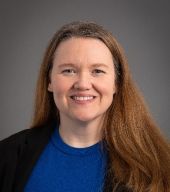
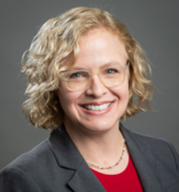
| Jessica Caldwell, PhD, ABPP Dr. Caldwell is the multi-principal investigator of the Wisconsin Registry for Alzheimer’s Prevention (WRAP) study. Dr. Caldwell is a board-certified neuropsychologist and a visiting associate professor in the Department of Neurology at UW-Madison. She also earned her Ph.D. in clinical psychology with a minor in neuroscience at UW-Madison and completed predoctoral internship at Harvard Medical School, and a postdoctoral fellowship at Brown University. Dr. Caldwell’s research focuses on sex and gender influences on Alzheimer’s disease risk and resilience, including how hormones and gender roles impact risk for developing Alzheimer’s disease. Her research also examines dementia prevention and both pharmacological and non-pharmacological approaches to dementia prevention. |
| Cynthia Carlsson, MD, MS Professor of Medicine, Division of Geriatrics and Gerontology Louis A. Holland, Sr., Professor in Alzheimer's Disease Vilas Distinguished Achievement Professor Director, Wisconsin Alzheimer's Institute Clinical Core Leader, Wisconsin Alzheimer's Disease Research Center University of Wisconsin School of Medicine and Public Health Dr. Cynthia Carlsson is Professor of Medicine in the Division of Geriatrics at the University of Wisconsin School of Medicine and Public Health and Director of the Wisconsin Alzheimer’s Institute in Madison, Wisconsin. Her research focuses on early detection and prevention of Alzheimer’s disease through modification of vascular risk factors. She has received grant support from the National Institutes of Health (NIH), the Department of Veterans Affairs, the University of Wisconsin, and other organizations and has published over 200 peer-reviewed research papers. Dr. Carlsson serves as Clinical Core Leader of the NIH-funded Wisconsin Alzheimer’s Disease Research Center and leads the University of Wisconsin Alzheimer’s disease clinical trials program as a member site in the NIH Alzheimer’s Clinical Trials Consortium (ACTC). She has been a part of state and national initiatives to improve dementia research, clinical care, and services for older adults, including serving as Chair for the US Health and Human Services Advisory Council on Alzheimer’s Research, Care, and Services. She continues to see patients with memory loss at the Madison Veterans Affairs Hospital where she has served as a staff geriatrician for over 20 years. |
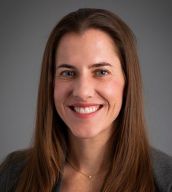 | Laura Eisenmenger, MD Laura Eisenmenger, MD, is an Associate Professor of Radiology (tenure track) in the Neuroradiology Section. Dr. Eisenmenger graduated summa cum laude from Illinois Wesleyan University, Bloomington, IL. She earned her MD at Ohio State University College of Medicine, Columbus, graduating magna cum laude. She completed an internship at Riverside Methodist Hospital, Columbus, and a Diagnostic Radiology residency at University of Utah, Salt Lake City. Dr. Eisenmenger was President of the Utah Medical Association Resident Executive Committee in 2016-2017. She has received multiple research grants including the Radiological Society of North America (RSNA) Resident Research Grant in 2017, the Roentgen Resident Research Award in 2017, and the RSNA Fellow Research Grant in 2018. Dr. Eisenmenger completed her Neuroradiology fellowship at the University of California-San Francisco in the Department of Radiology and Biomedical Imaging, where she was a Chief Fellow in 2017-2018. In the seven years since completing training, Dr. Eisenmenger has been a principal investigator on an R01 investigating sensitive and specific detection of vascular contributions to dementia, achieved through an advanced MRI flow study of subjects with CASDASIL and a “normal” aging cohort. In addition, she was principal investigator on a NIH KL2 award developing new MRI protocols for the measurement of cerebrovascular reactivity in Alzheimer’s disease (AD), a Wisconsin Alzheimer's Disease Research Center (WI-ADRC) developmental grant to evaluate arterial spin labeling in the study of altered blood brain barrier permeability, as well as successfully been co-investigator on eight R01s, one U01, one R03, one R21, and multiple society/intuitional grants. Her scientific interests are focused on clinical implementation of novel imaging approaches, with a particular interest in MR imaging and how it can be applied to Alzheimer's Disease and Related Dementias. |
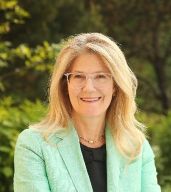 | Donna M. Fick, PhD, RN, FGSA, AGSF, FAAN Dr. Donna Marie Fick is the Elouise Ross Eberly Endowed Professor of the Ross & Carol Nese College of Nursing at The Pennsylvania State University, and Director of the Tressa Nese and Helen Diskevich Center of Geriatric Nursing Excellence. Dr. Fick is best known for her NIH funded work on mentation, delirium, delirium superimposed on dementia (DSD) and ultra-brief delirium detection at the bedside. Along with Dr. Marcantonio at Harvard/Beth Israel Deaconess and their team, she has transformed the way clinicians approach delirium and DSD. Their tools, the UB-2 and UB-CAM, are used in health systems across the world. She is Past President of the American Geriatrics Society (the third nurse in their 80-year history) and has been a member or co-chair of the interdisciplinary panel for the American Geriatrics Society Beers Criteria for inappropriate medication use in older adults since 2002. She teaches research and gerontology courses at Penn State and serves as a faculty and advisory member on Creating an Age Friendly Health System Initiative with the John A. Hartford Foundation and the Institute for Healthcare Improvement, and the Revisiting the Teaching Nursing Home Project. Dr. Fick has completed as PI & MPI four NIH funded R01s on delirium in persons with dementia and is in year 3 of a 5-year implementation study. Her goal in her research, teaching and service is to improve the care of older adults, persons with disabilities, and their care partners. She lives in rural PA near her three adult children and enjoys gardening and trail running in the mountains. |
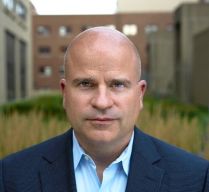 | Joseph E. Gaugler, PhD Joe Gaugler is the Robert L. Kane Endowed Chair in Long-Term Care & Aging in the School of Public Health and a Distinguished McKnight University Professor at the University of Minnesota. He is the Director of the Center for Healthy Aging and Innovation, Director of the CDC-funded BOLD Public Health Center of Excellence on Dementia Caregiving, Director of the National Institute on Aging-funded EMBRACE AD/ADRD Roybal and State Alzheimer's Research Support Centers, and Editor-in-Chief of The Gerontologist. His research focuses on dementia care innovation. |
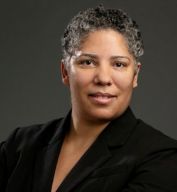 | Jennifer J. Manly, PhD Jennifer J. Manly, Ph.D. is a Professor of Neuropsychology in the Department of Neurology at Columbia University Irving Medical Center. Her research focuses on mechanisms of inequalities in cognitive aging and Alzheimer’s Disease. Her research team has partnered with the Black and Latino communities in New York City and around the United States to design and carry out investigations of structural and social forces across the lifecourse, such as educational opportunities, discrimination, and socioeconomic inequality, and how these factors relate to cognition and brain health later in life. She is the recipient of several mentor awards, was elected to the National Academy of Medicine, and is a current member of the NIH Council of Councils. |
 | Henrik Zetterberg, MD, PhD Dr. Zetterberg is a professor of neurochemistry and head of the Department of Psychiatry and Neurochemistry at the University of Gothenburg, a consultant in clinical chemistry at the Sahlgrenska University Hospital, and a visiting professor at UW−Madison and at University College London. He has received the Erik K. Fernström Prize for Junior Scientists, the Inga Sandeborg Prize for Research on Alzheimer’s disease and the 2024 Goodes Prize. Dr. Zetterberg currently focuses on the development of biomarkers for Alzheimer’s and related dementias and the development of diagnostic tests and new monitoring tools for the diseases. |
Conference Planning Committee
Tammi Albrecht, DNP, AGPCNP, APNP, Public Health Educator, Wisconsin Alzheimer’s Institute, University of Wisconsin School of Medicine and Public Health
Cynthia Carlsson, MD, MS, Director, Wisconsin Alzheimer's Institute, University of Wisconsin School of Medicine and Public Health
Stephanie Houston, MBA, Senior Outreach Program Coordinator, Wisconsin Alzheimer s Institute, University of Wisconsin School of Medicine and Public Health
Sarah Keating, PhD, Geropsychologist, Clement J. Zablocki Veterans Medical Center, Geropsychiatry Residency Clinic
Sarah Klein, BA, Center Administrator, Wisconsin Alzheimer's Institute, University of Wisconsin School of Medicine and Public Health
Jody Krainer, MSW, LCSW, MBA, Dementia Clinic Network Manager and Wisconsin Dementia Resource Network Manager, Wisconsin Alzheimer s Institute, University of Wisconsin School of Medicine and Public Health
Maria Mora Pinzon, MD, MS, FACPM, Implementation Science Leader, Wisconsin Alzheimer’s Institute, University of Wisconsin School of Medicine and Public Health
Gianna Taylor, BA, Operations Manager, Wisconsin Alzheimer's Institute, University of Wisconsin School of Medicine and Public Health
Art Walaszek, MD, Education and Public Health Leader, Wisconsin Alzheimer's Institute, University of Wisconsin School of Medicine and Public Health
Lauren L Welch, PharmD, BCGP, Clinical Geriatric Pharmacy Practitioner, William S. Middleton Memorial Veterans' Hospital and Geriatric Research Education and Clinical Center
Policy on Faculty and Sponsor Disclosure
It is the policy of the University of Wisconsin–Madison Interprofessional Continuing Education Partnership (ICEP) to identify, mitigate, and disclose all relevant financial relationships with ineligible companies* held by the speakers/presenters, authors, planners, and other persons who may influence the content of this accredited continuing education (CE). In addition, speakers/presenters and authors must disclose any planned discussion of unlabeled/unapproved uses of drugs or devices during their presentation(s). Detailed disclosures will be available prior to the start of the activity.
*Ineligible companies are those whose primary business is producing, marketing, selling, re-selling, or distributing healthcare products used by, or on, patients. The ACCME does not consider providers of clinical services directly to patients to be ineligible companies.
NAME | ROLE(S) | FINANCIAL RELATIONSHIPS DISCLOSURE(S) | DISCUSSION OF UNLABELED/ UNAPPROVED USES OF DRUGS/ DEVICES IN PRESENTATION? |
| Jessica Caldwell, PhD, ABPP | Speaker/Author | ||
| Cynthia Carlsson, MD, MS | Speaker/Author, Planning Committee Member | ||
| Laura Eisenmenger, MD | Speaker/Author | ||
| Donna M. Fick, PhD, RN, FGSA, AGSF, FAAN | Speaker/Author | ||
| Joseph E. Gaugler, PhD | Speaker/Author | ||
| Jennifer J. Manly, PhD | Speaker/Author | ||
| Henrik Zetterberg, MD, PhD | Speaker/Author | ||
| Tammi Albrecht, DNP, AGPCNP, APNP | Planning Committee Member | ||
| Stephanie Houston, MBA | Planning Committee Member | ||
| Sarah Keating, PhD | Planning Committee Member | ||
| Sarah Klein, BA | Planning Committee Member | ||
| Jody Krainer, MSW, LCSW, MBA | Planning Committee Member | ||
| Maria Mora Pinzon, MD, MS, FACPM | Planning Committee Member | ||
| Gianna Taylor, BA | Planning Committee Member | ||
| Art Walaszek, MD | Planning Committee Member | ||
| Lauren L Welch, PharmD, BCGP | Planning Committee Member | ||
| Adam Flyte, MS | Accreditation Specialist |
Logo | UW-Madison Accreditation Statement |
 | In support of improving patient care, the University of Wisconsin–Madison ICEP is jointly accredited by the Accreditation Council for Continuing Medical Education (ACCME), the Accreditation Council for Pharmacy Education (ACPE), and the American Nurses Credentialing Center (ANCC) to provide continuing education for the healthcare team. |
Logos | Credit Designation Statements |
American Medical Association (AMA) The University of Wisconsin–Madison ICEP designates this live activity for a maximum of 6 AMA PRA Category 1 Credits™. Physicians should claim only the credit commensurate with the extent of their participation in the activity. | |
American Nurses Credentialing Center (ANCC) The University of Wisconsin–Madison ICEP designates this live activity for a maximum of 6 ANCC contact hours. | |
 | Association of Social Work Boards (ASWB) Approved Continuing Education (ACE) As a Jointly Accredited Organization, the University of Wisconsin–Madison ICEP is approved to offer social work continuing education by the Association of Social Work Boards (ASWB) Approved Continuing Education (ACE) program. Organizations, not individual courses, are approved under this program. Regulatory boards are the final authority on courses accepted for continuing education credit. Social workers completing this course receive 6 general, live continuing education credits. |
 | American Psychological Association (APA) Continuing Education (CE) credits for psychologists are provided through the co-sponsorship of the American Psychological Association (APA) Office of Continuing Education in Psychology (CEP). The APA CEP Office maintains responsibility for the content of the programs. |
Continuing Education Units The University of Wisconsin–Madison, as a member of the University Professional & Continuing Education Association (UPCEA) authorizes this program for .6 continuing education units (CEUs) or 6 hours. |
Available Credit
- 6.00 AMA PRA Category 1 Credit™
- 6.00 ANCC Contact Hours
- 6.00 APA CE Credits
- 6.00 University of Wisconsin–Madison Continuing Education Hours
- 6.00 Approved for AMA PRA Category 1 Credit™
Registration for this activity can only be completed through the ICEP Learning Portal. Attendee registrations made through any other sites cannot be honored. UW-Madison ICEP is not able to refund fees paid through unaffiliated registration sites, such as eMedEvents.com, MedConfWorld.com, EventEgg.com, and 10times.com. Please report any unauthorized websites or solicitations for registrations to [email protected].
Cancellation and Refund Policy
Requests for cancellation must be submitted in writing to [email protected]. Cancellation requests received at least 96 hours prior to the conference will allow a full refund except for the nonrefundable processing fee of $50. No refunds will be made for cancellations received less than 96 hours prior to the activity start date.
Questions
For questions about registration, please email [email protected]. For general questions about the conference, please contact Jody Krainer at [email protected].
Program Changes
Emergency situations occasionally occur and may necessitate topic or speaker changes. The University of Wisconsin School of Medicine and Public Health and the University of Wisconsin–Madison ICEP reserve the right to alter or substitute a topic or speaker without prior notification.
Accessibility
We value inclusion and access for all participants and are pleased to provide reasonable accommodations for this event. Please contact [email protected] as soon as you can to make a reasonable accommodation request.