
 Facebook
 X
X LinkedIn
 Forward
Graduate Clinical Preceptor Development Workshop - Virtual, Live - May 18, 2026
Live, Virtual Workshop
This workshop is FREE for Current and Former University of Wisconsin–Madison Preceptors
Contact your Preceptor Coordinator or Nina Berge ([email protected]) for more information.
—Daniel W. Knoch, MD, Vice Chair of Education and Faculty Development (UW-Madison Department of Ophthalmology and Visual Sciences)
|
Workshop Focus
The focus of the workshop is on competence and skills that nurse practitioners, physician assistants, and physicians need when serving as preceptors. These include time management, critical thinking, providing evaluation and feedback, nurse practitioner/physician assistant program information, learner styles, motivating, working with a challenging preceptee, wellbeing/resiliency for preceptors, and precepting with telemedicine.
Statement of Need and Purpose
Advance practice provider (APP) training programs rely on high quality graduate clinical preceptors to provide real-world clinical experiences and socialize students to the role of the APP. Nurse practitioner, physician assistant, and physician training programs often do not include preceptor development. Many graduate clinical preceptors have never received formal preceptor training and feel deficient in their ability to set goals, create an adequate learning environment, provide feedback, and evaluate student performance in a busy clinic setting.
The purpose of this workshop is to prepare high quality graduate clinical preceptors to provide real-world clinical experiences and socialize students to the role of physician, physician associate, or advanced practice registered nurse. This workshop focuses on competence and skills that clinical preceptors need when serving as preceptors to advance practice nurses, physician assistants and other clinical graduate students. Content includes the topics of time management, critical thinking, providing evaluation and feedback, nurse practitioner/physician assistant program information, learner styles, motivating and working with a challenging preceptee, preceptor wellbeing, resiliency, and team support, and precepting with telehealth. Content is geared toward an interprofessional group and will address precepting strategies for a variety of settings, including inpatient and ambulatory care.
Intended Audience
This workshop is designed to meet the needs of nurse practitioners, physician assistants and physicians and other health care providers who precept graduate students in their clinical practice.
Elements of Competence
This educational activity is designed to change learner competence and focuses on the following competency areas:
- The American Board of Medical Specialties: Practice-based learning improvement, Interpersonal and Communication Skills and Professionalism
- Nursing and Interprofessional: Roles/Responsibilities, Interprofessional communication and Teams and Teamwork
- Social Impact and Belonging: Engage in Self-reflection and Value Culturally Centered Care
Learning Objectives
Following this workshop, learners will be able to:
- Describe two techniques to promote the development of critical thinking in graduate-level learners.
- Evaluate preceptor and graduate learner communication as demonstrated by workshop faculty.
- Propose actions to productively address common challenges in precepting clinical learners.
- Summarize precepting strategies to use when delivering healthcare through telemedicine.
- Appraise own background and learning style to mitigate bias and better support diverse student learners.
- Describe strategies to prevent and treat moral distress and promote preceptor well-being.
- Tailor precepting approach to align with the projected scope and role of interprofessional students.
Successful Completion
Learners will participate in Lectures with Q&As and cased-based and small-group discussions that focus on real world experiences. Pre- and post-activity scenario-based tests and evaluations are required.
Course summary
- 6.00 AAPA Category 1 CME
- 6.00 AMA PRA Category 1 Credit™
- 6.00 ANCC Contact Hours
- 6.00 University of Wisconsin–Madison Continuing Education Hours
- 6.00 Approved for AMA PRA Category 1 Credit™
Agenda
| Session Time | Topics/Highlights |
| 8:00 – 8:15 AM | Introductions
|
| 8:15 – 8:30 AM | Preceptor experiences (breakout) |
8:30 – 9: 20 AM | Time Management
|
| 9:20 – 9:30 AM | Break |
| 9:30-10:20 AM | Critical Thinking
|
| 10:20-10:30 | Break |
| 10:30-11:20 AM | Evaluation and Feedback
|
| 11:20-12:00 PM | Learner Styles
|
| 12:00-12:30 PM | Lunch |
| 12:30-1:50 PM | Motivation and Challenging Preceptee
|
| 1:50 – 2:00 PM | Break |
| 2:00 - 2:30 PM | Preceptor Wellbeing / Resiliency & Team Support
|
| 2:30 - 3:15 PM | Precepting Strategies for Telemedicine
|
| 3:15 – 3:30 PM | Wrap-up
|
Program Changes
Emergency situations occasionally occur and may necessitate topic or speaker changes. The University of Wisconsin-Madison ICEP reserve the right to alter or substitute a topic or speaker without prior notification.
This is a virtual live event. A link will be emailed to participants prior to the start of the workshop.
Faculty
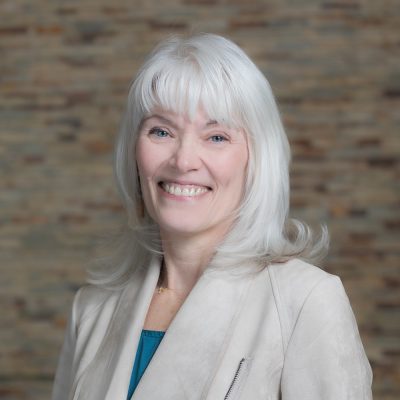
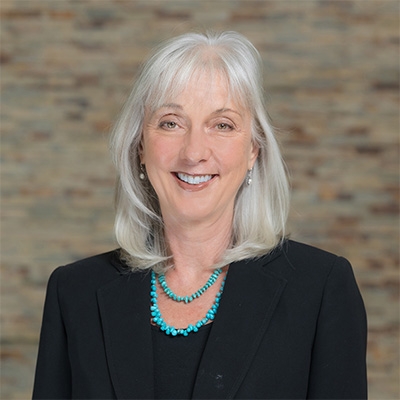
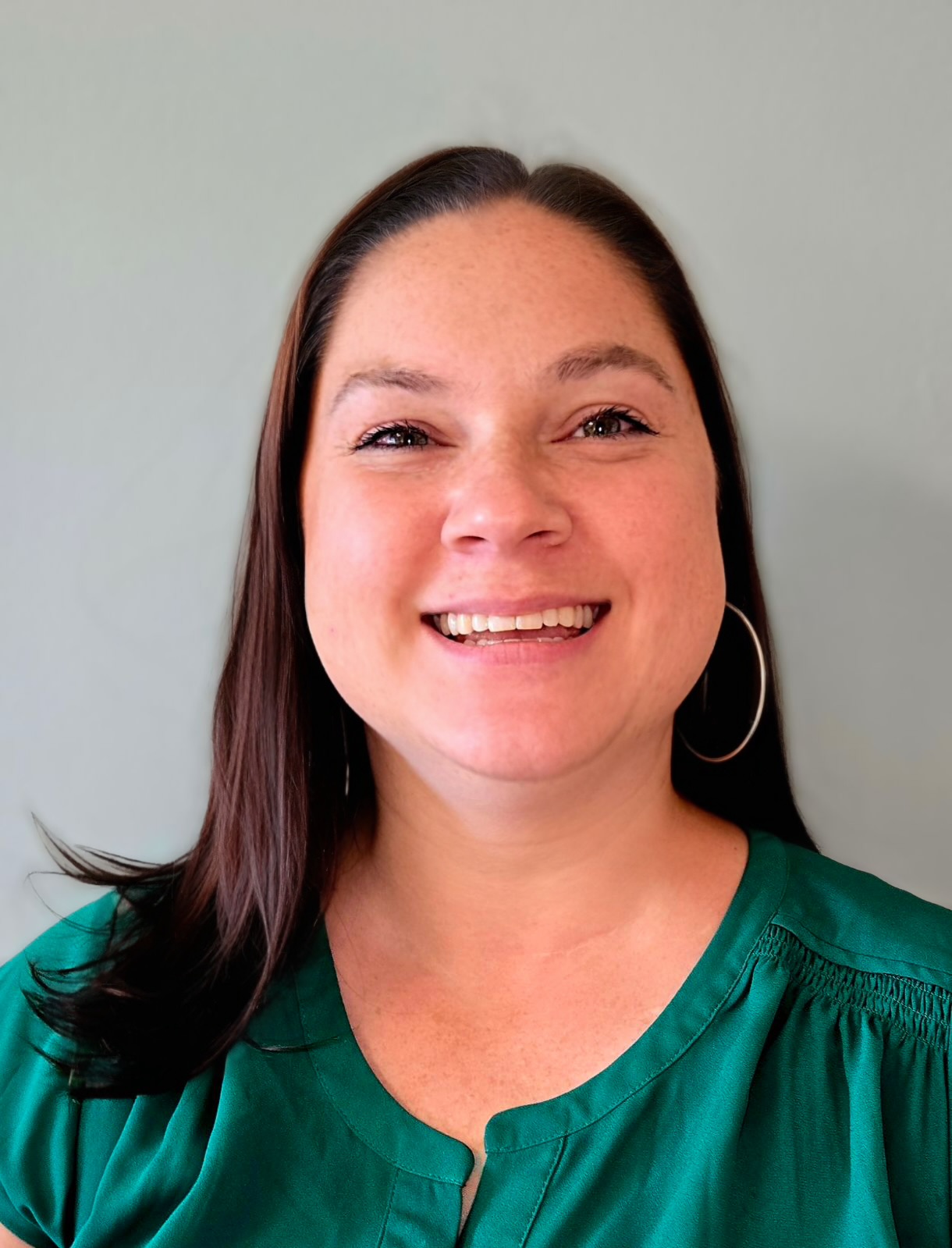
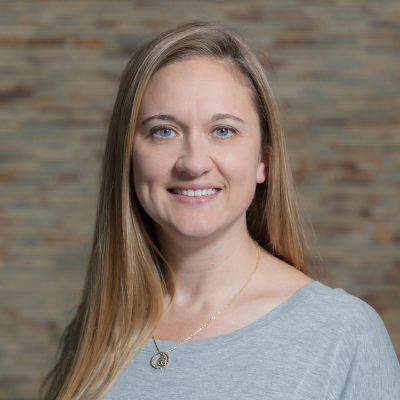
Sarah Endicott, DNP, APNP, GNP-BC, Clinical Professor, UW-Madison School of Nursing | Sarah Endicott, DNP, APNP, GNP-BC, Clinical Professor, UW-Madison School of Nursing Sarah Endicott is a board-certified geriatric nurse practitioner with experience in adult medicine and memory diagnostic centers. She is the population lead for the Adult/Gerontology Primary Care DNP Cohort. In addition to teaching, Dr. Endicott maintains a clinical practice in skilled nursing facilities in rural Wisconsin. Her interests include advanced care planning and the education and support of caregivers for people living with dementia. |
Jessica Leiberg, PhD(c), DNP, ACNP, RN, Clinical Associate Professor, DNP Program Director, UW–Madison School of Nursing | Jessica Leiberg is a board-certified nurse practitioner in acute care adult medicine and population lead for the Adult/Geriatric Acute Care DNP track at UW–Madison School of Nursing. Jessica’s clinical practice has focused on abdominal transplant and neurosurgery. Her dissertation work evaluates the implementation of caring pedagogy in online class settings, with scholarly activity investigating student grit, disparity in nurse educator pay, and nurse coping in crisis situations. Additionally, she is the Program Director for the UW School of Nursing’s DNP program. |
Pam McGranahan, DNP, RN, Clinical Professor, UW–Madison School of Nursing | Pamela McGranahan, DNP, RN, Clinical Professor, UW–Madison School of Nursing Pam has advanced practice certifications in public health and psychiatric mental health nursing. Her rich professional nursing career has included emergency room nursing, public health, and nursing leadership. Pam’s scholarly interests focus on racial disparities in health, patient education, and clinicians’ understanding of the lifelong impacts of childhood trauma. She is an Associate Clinical Professor with the School of Nursing. |
Teri Pipe, PhD, RN, Professor of Practice, UW–Madison School of Nursing | Teri Pipe, PhD, RN, Professor of Practice, UW–Madison School of Nursing Teri Pipe, PhD, RN is the Richard E. Sinaiko Professor in Health Care Leadership at the University of Wisconsin-Madison School of Nursing and core faculty in the University of Wisconsin-Madison Center for Healthy Minds. Dr. Pipe is Dean Emerita of the Edson College of Nursing and Health Innovation at Arizona State University, where she served as Dean from 2011-2018 and as University-wide ASU Chief Well-Being Officer from 2017-2021. She was the Founding Director of ASU’s Center for Mindfulness, Compassion and Resilience. Her work focuses on implications of well-being within and beyond the healthcare and higher education sectors. Dr. Pipe is an expert on nursing leadership with a focus on interprofessionalism, bringing nurses together with physicians and other health professionals, businesspeople, and policy makers, to help redesign and improve well-being at individual, organizational, and societal levels. Her research interests include: well-being in professional and clinical populations, preventive and protective well-being strategies, and aging. She is a sought-after speaker on the topics of well-being, leadership, mindfulness, clinician workforce wellness, and compassion. |
Beverly Speece, MTS, PA-C, Clinical Faculty, UW–Madison PA Program |
Beverly Speece, MTS, PA-C, Clinical Faculty, UW–Madison PA Program Speece first joined the UW–Madison PA Program in 2005 as a course coordinator for clinical medicine, obstetrics and gynecology, emergency medicine, and the professional issues for physician assistants and assumed the responsibility of Director of Clinical Education in May 2013. She resumed her clinical faculty role in 2024. Speece is a 1997 graduate of UW–LaCrosse’s first Physician Assistant Program, and her background prior to PA school involved teaching various science courses at Madison College, working in an intensive care unit and volunteering as an EMT. Clinically, Speece has worked five years in family practice in the Twin Cities, 10 years in emergency medicine in Madison and Milwaukee and one year in cardiology in Milwaukee. |
Anne Thatcher, DNP, MSW, APRN, PMHNP-BC, LMSW | Anne Thatcher, DNP, MSW, APRN, PMHNP-BC, LMSW Dr. Anne Thatcher is a board-certified and doctorly prepared Psychiatric Mental Health Nurse Practitioner (PMHNP) offering psychiatric diagnostic assessment, medication management and psychotherapy to children, adults and geriatric patients via telehealth. She received a Bachelor of Science degree in Sociology and French at the University of Wisconsin—Madison, a Masters in Social Work at Washington University in St. Louis, a Bachelor of Science in Nursing at Goldfarb School of Nursing at Barnes—Jewish College, a Doctor of Nursing Practice at the University of Missouri—St. Louis and is currently working on a PhD in Nursing at University of Wisconsin-Madison. She completed her nurse practitioner residency training at the St. Louis VA Medical Centers and Compass Health Network-a Federally Qualified Health Center. She then worked as a PMHNP at the St. Louis VA Medical Center working inpatient, outpatient and on the Consult and Liaison team. She has an expertise at caring for patients experiencing mood disorders, anxiety disorders, obsessive-compulsive and related disorders, psychotic disorders, trauma and stress related disorders, ADHD, addictions, chronic pain, dementia, reproductive mental health issues, and those with complex psychiatric and medical comorbidities. Additionally, Dr. Thatcher has been an Instructor at Saint Louis University, an Assistant Teaching Professor at the University of Missouri-St. Louis where she directed the Psychiatric Mental Health Nurse Practitioner track of the DNP program, and a Curriculum Design Consultant and Adjunct Professor at Southern Illinois University Edwardsville. |
Caitlin Weitzel, ACNP, APNP, Clinical Instructor, UW–Madison School of Nursing | Caitlin Weitzel, ACNP, APNP, Clinical Instructor, UW–Madison School of Nursing
|
Siobhan Wilson, MD, PhD, FACP, Clinical Associate Professor, UW-Madison School of Medicine and Public Health | Dr. Siobhan Wilson is a faculty member in the Division of General Internal Medicine within the Department of Medicine. She is a Fellow of the American College of Physicians. Her honors include the UW Division of Internal Medicine Faculty Excellence in Clinical Teaching Award, UW Department of Medicine Star Educator Award (UW Department of Medicine), and UW Department of Medicine Star Clinician Award. Dr. Wilson serves as a coach and clinical preceptor for 1st and 2nd year medical students in the UW School of Medicine and Public Health, and as a continuity clinic attending and educator for Internal Medicine residents. In addition, Dr. Wilson teaches clinician education and firearm injury prevention skills locally and regionally to multi-disciplinary audiences. |




Planning Committee
| Stacy Davison, PA Clinical Education Coordinator, UW–Madison PA Program | Pamela McGranahan, DNP, RN, Clinical Professor, UW–Madison School of Nursing |
| Emily Jumper, Specialist-APP Education & Professional Development, UW Health-Office of Advanced Practice Providers | Beverly Speece, MTS, PA-C, Clinical Faculty, UW–Madison PA Program |
| *Jessica Leiberg, PhD(c), DNP, ACNP, RN, Clinical Associate Professor, DNP Program Director, UW–Madison School of Nursing | Siobhan Wilson, MD, PhD, FACP, Clinical Associate Professor, UW–Madison School of Medicine and Public Health |
* Workshop Director
Policy on Disclosure
It is the policy of the University of Wisconsin–Madison Interprofessional Continuing Education Partnership (ICEP) to identify, mitigate and disclose all relevant financial relationships with ineligible companies* held by the speakers/presenters, authors, planners, and other persons who may influence the content of this accredited continuing education (CE). In addition, speakers, presenters and authors must disclose any planned discussion of unlabeled/unapproved uses of drugs or devices during their presentation.
For this accredited continuing education activity all relevant financial relationships have been mitigated and detailed disclosures are listed below.
** Ineligible companies are those whose primary business is producing, marketing, selling, re-selling, or distributing healthcare products used by or on, patients. The ACCME does not consider providers of clinical services directly to patients to be ineligible companies
| Name | Role | Financial Relationship Disclosures | Discussion of Unlabeled/ Unapproved uses of drugs/ devices in presentation? | |
Nina Berge, BA, Continuing Education Specialist, UW–Madison School of Nursing | Committee Member | No relevant relationships with ineligible companies to disclose | No | |
Stacy Davison, PA Clinical Education Coordinator, UW–Madison PA Program | Planner | No relevant relationships with ineligible companies to disclose | No | |
Sarah Endicott, DNP, APNP, GNP-BC, Clinical Professor, UW–Madison School of Nursing | Speaker/Author | No relevant relationships with ineligible companies to disclose | No | |
Sue Gaard, MS, RN, Director, Nursing Professional Development, UW–Madison School of Nursing | Committee Member | No relevant relationships with ineligible companies to disclose | No | |
Emily Jumper, Specialist-APP Education & Professional Development, UW Health-Office of APPs | Planner | No relevant relationships with ineligible companies to disclose | No | |
| Jessica Leiberg, PhD(c), DNP, ACNP, RN, Clinical Associate Professor, DNP Program Director, UW–Madison School of Nursing | Workshop Chair | No relevant relationships with ineligible companies to disclose | No | |
Pamela McGranahan, DNP, RN, Clinical Professor, UW–Madison School of Nursing | Planner, Speaker/Author | No relevant relationships with ineligible companies to disclose | No | |
Tracy Mrochek, MPA, RN, NPD-BC, Manager, Nursing Professional Development, UW–Madison School of Nursing | Committee Member | No relevant relationships with ineligible companies to disclose | No | |
| Teri Pipe, PhD, RN, Professor of Practice, UW–Madison School of Nursing | Speaker/Author | No relevant relationships with ineligible companies to disclose | No | |
Rob Poehnelt, BA, Continuing Education Specialist, UW–Madison School of Nursing | Committee Member | No relevant relationships with ineligible companies to disclose | No | |
Beverly Speece, MTS, PA-C, Clinical Faculty, UW–Madison PA Program | Planner, Speaker/Author | No relevant relationships with ineligible companies to disclose | No | |
Anne Thatcher, DNP, MSW, APRN, PMHNP-BC, LMSW | Speaker/Author | No relevant relationships with ineligible companies to disclose | No | |
| Caitlin Weitzel, ACNP, APNP | Speaker/Author | No relevant relationships with ineligible companies to disclose | No | |
Siobhan Wilson, MD, PhD. Clinical Assistant Professor, UW-Madison School of Medicine and Public Health | Planner, Speaker/Author | No relevant relationships with ineligible companies to disclose | No | |
Accreditation Statement
 | In support of improving patient care, the University of Wisconsin–Madison ICEP is jointly accredited by the Accreditation Council for Continuing Medical Education (ACCME), the Accreditation Council for Pharmacy Education (ACPE), and the American Nurses Credentialing Center (ANCC) to provide continuing education for the healthcare team. |
Credit Designation Statements
American Medical Association (AMA)
The University of Wisconsin–Madison ICEP designates this live activity for a maximum of 6.00 AMA PRA Category 1 Credit™. Physicians should claim only the credit commensurate with the extent of their participation in the activity.
American Nurses Credentialing Center (ANCC)
The University of Wisconsin–Madison ICEP designates this live activity for a maximum of 6.00 ANCC contact hours.
AAPA Credit Designation Statement
 | The University of Wisconsin–Madison ICEP has been authorized by the American Academy of PAs (AAPA) to award AAPA Category 1 CME credit for activities planned in accordance with AAPA CME Criteria. This live activity is designated for 6.00 AAPA Category 1 CME credits. PAs should only claim credit commensurate with the extent of their participation. |
Continuing Education Units (CEUs)
The University of Wisconsin–Madison ICEP, as a member of the University Professional & Continuing Education Association (UPCEA), authorizes this program for .60 CEUs or 6.00 hours.
Available Credit
- 6.00 AAPA Category 1 CME
- 6.00 AMA PRA Category 1 Credit™
- 6.00 ANCC Contact Hours
- 6.00 University of Wisconsin–Madison Continuing Education Hours
- 6.00 Approved for AMA PRA Category 1 Credit™
Registration for this activity can only be completed through the ICEP Learning Portal. Attendee registrations made through any other sites cannot be honored. UW-Madison ICEP is not able to refund fees paid through unaffiliated registration sites, such as eMedEvents.com, MedConfWorld.com, EventEgg.com, and 10times.com. Please report any unauthorized websites or solicitations for registrations to [email protected].
This workshop is FREE for Current and Former University of Wisconsin–Madison Preceptors
Contact your Preceptor Coordinator or Nina Berge ([email protected]) for more information.
You may only enroll in one course.
Accessibility
We value inclusion and access for all participants and are pleased to provide reasonable accommodation for this event. Please contact [email protected] as soon as you can make a reasonable accommodation request.
Cancellation and Refund Policy
Requests for cancellation must be submitted in writing to [email protected]. Cancellation requests received at least 96 hours prior to the conference will allow a full refund except for the nonrefundable processing fee of $50. No refunds will be made for cancellations received less than 96 hours prior to the activity start date.
Required Hardware/software
Free, current version of Chrome, Firefox, Safari, or Microsoft Edge with audio and video capabilities. Some older browsers and Microsoft Explorer could produce error messages or not display the content correctly.
Free, current version of Adobe Acrobat Reader or other .pdf reader.