
 Facebook
 X
X LinkedIn
 Forward
Collective Care: Healing Communities, Healing our Planet
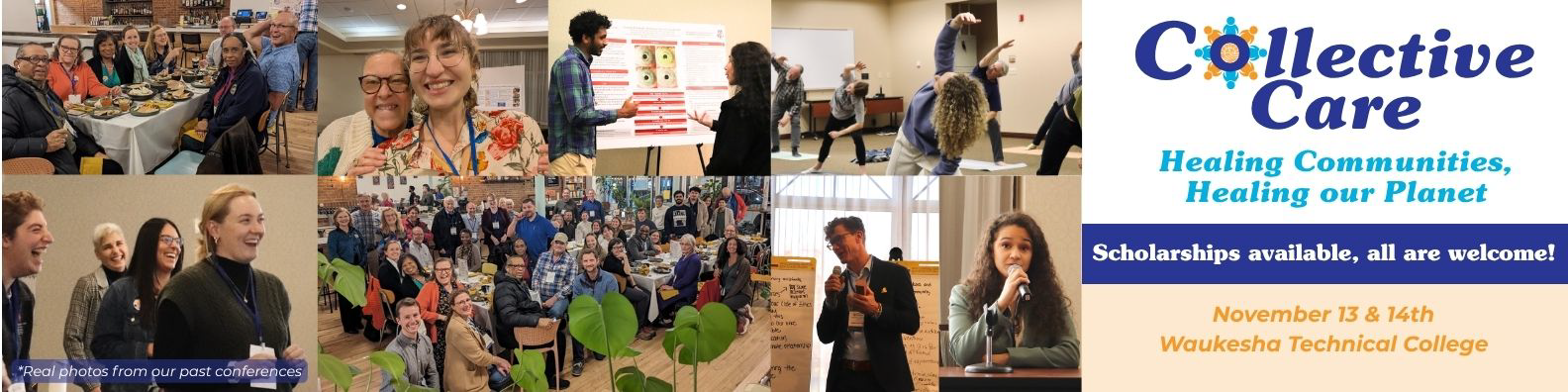
As profit-driven companies take over essential services, public health and healthcare professionals must decide: where do we set boundaries? The answer lies in science, our communities, and in our collective understanding that we have a duty to respond.
Healing starts with connection. By caring for one another and the world around us, we have the power to build stronger, healthier communities. Burnout, loneliness, polarization, disinformation, and inequities create a false narrative that health is an individual's responsibility or that our systems are beyond change. But we know a different truth: Collective care has power. Collective care can save lives. Collective care can heal.
Advocacy grounded in genuine collective care and scientific integrity can safeguard communities and grow public trust and accountability. We know that health is shaped by the systems we share: housing and food to transportation, healthcare, clean air and water, and climate. This interactive conference brings together health professionals from across disciplines and community organizations to explore practical, systems-based solutions that strengthen communities, empower professionals' voices, and advance health for everyone.
Example topics for this conference will include:
- Comedy and common ground: Lessons from Wisconsin neighbors who have successfully defended their communities from the health harms of data centers
- Indigenous ways of knowing that strengthen collective care
- Community Organizing Training: How to coach through uncertainty and empower change
- How replacing stoves can replace inhalers and hospitalizations
- And much more
Through collaborative case studies and small-group activities, you will leave with hands-on strategies to apply and opportunities to put these skills into practice with your colleagues. Bring your ideas and join fellow health professionals, community leaders, and advocates as we learn from one another and work towards a healthier future for us all.
Call for Posters
Submit your abstract here by October 31, 2026! (This link will open in a new window).
We invite poster submissions that explore innovative and impactful approaches to planetary health or climate resiliency; example topics include:
- Nutritious food systems and food access
- Affordable and safe housing
- Transportation systems and active transit (e.g., walking, biking)
- Community-based climate adaptation strategies
- And more!
We also welcome submissions that address broader themes related to:
- Social determinants of health (e.g., education, income, neighborhood conditions)
- Environmental health (e.g., air and water quality, exposure to toxins, green infrastructure)
- Equity and justice in climate and health policy
- Community decision-making and community engagement topics
Posters may present research findings, community initiatives, policy proposals, or interdisciplinary collaborations. We encourage contributions from students, professionals, and community members alike.
Registration Pricing
Includes meals (in-person participants), | Regular Registration | |
|---|---|---|
1-Day Only | Full Conference (Friday through Saturday) | 1-Day Only |
Physicians | $395 | $240 |
| Practicing Public and Healthcare Professionals or Health Administrators | $260 | $190 |
| Community Members | $200 | $130 |
| Students, Fellows, Residents, Retirees, or Fixed-Income | $150 | $100 |
Scholarship Opportunities
We believe everyone should have the opportunity to participate.
If registration fees, travel, or accommodation are influencing your decision to attend, at all, please fill out this quick form for discounts and/or full scholarships. (This link will open in a new window).
Statement of Need
Wisconsin is home to health professionals and community organizations who are deeply committed to the health and well-being of all people who live here. Across the state, every day, people are working towards improvements in care for people and the environment with greater collaboration and innovation. Training and specialized education are critical to equip leaders with the skills and knowledge they need to make positive change. We know that when we advocate for health, the effects reach far greater than we could have imagined.
Right now, Wisconsinites face interconnected health, environmental, and social challenges that shape the health of our communities and patients every day. Housing, transportation, food systems, clean air, safe water, access to healthcare, and our changing climate all influence health outcomes and disparities. As health professionals, we see these connections in our work, and it reminds us that improving health takes more than clinical care alone.
We are already experiencing the health harms of a changing climate in Wisconsin. Rising temperatures, smoke-filled skies, and flooding are affecting communities across the state and are straining an already stressed public health and healthcare system. Any person or community can be harmed, but older adults, children, people with chronic illnesses, low-income communities, and Tribal Nations face greater harm (WICCI, 2021; Wisconsin DHS, 2026). (Links to resources will open in new windows).
These local challenges are a microcosm of what is taking place across the world. The 2024 Lancet Countdown identifies climate change as one of the greatest threats to human health, affecting nearly every area of medicine and public health. An urgent call to action affirms the essential role of health professionals in prevention, advocacy, and protecting public health. You can explore profession-specific calls to action on this issue and perspectives here: nursing, occupational therapy, physiatry, physical therapy, social work, pharmacy, psychology, psychiatry, pediatricians, family medicine, and public health practitioners.
As some of the most trusted voices in our communities, we have an opportunity and a responsibility to meet this moment we are in with care. This conference is designed to help meet that need. Our participants will explore the latest evidence on climate and health and strengthen their communication and advocacy skills. Together, we can bring a practice of collective care into our work and explore solutions to these pressing challenges.
Intended Audience
This workshop is designed for students, early-, mid-, and late-career professionals and retirees, from a wide variety of healthcare and public health settings, both clinical and non-clinical. Whether you work in an independent practice, community hospital, academic center, laboratory, nonprofit, local and state government, school, long-term care facility, or home care, this experience will provide valuable knowledge and tools to improve the quality of life for those you care for.
Elements of Competence
This educational activity is designed to change learner competence and focuses on the following competencies:
- Accreditation Council for Graduate Medical Education (ACGME)/Nursing: Interpersonal and Communication Skills
- National Academy of Medicine (NAM)/Nursing: Population Health
- Center for the Advancement of Pharmacy Education (CAPE): Population-Based Care
- Interprofessional Education Collaborative Competencies: Teams and Teamwork
Learning Objectives
Following this conference, participants as members of the interprofessional healthcare team will be able to:
- Discuss the real-world threats to clean air, safe water, and a stable climate affecting the health of patients and communities across Wisconsin
- Apply the values and responsibilities of health professionals to protect those most at risk
- Illustrate how interdisciplinary teams can work together to improve health through solutions across sectors
- Practice communicating evidence-based information about climate and health with colleagues, patients, families, community members, and policymakers
- Strengthen advocacy skills to help shape healthier communities and policies
- Build relationships with fellow health professionals that support continued learning and collaboration beyond the conference
Acknowledgements
The University of Wisconsin–Madison Interprofessional Continuing Education Partnership (ICEP) and Healthy Climate Wisconsin gratefully acknowledges the financial support from the following companies/organizations:
Carroll University
Medical College of Wisconsin Department of Medicine
Medical College of Wisconsin Division of General Internal Medicine
Sally Mead Hands Foundation
UW School of Medicine and Public Health Depart of Pediatrics
Wisconsin Nurses Association
Course summary
- 12.25 AAPA Category 1 CME
- 12.25 ACPE Contact Hours - Pharmacist
- 12.25 AMA PRA Category 1 Credit™
- 12.25 ANCC Contact Hours
- 12.25 APA CE Credits
- 12.25 CDR CPEUs
- 12.25 Occupational Therapy (OT) CE Contact Hours
- 12.25 Physical Therapy Contact Hours
- 12.25 University of Wisconsin–Madison Continuing Education Hours
- 11.75 Approved for AMA PRA Category 1 Credit™
Agenda
Friday, November 13, 2026, 8:00 AM to 6:15 PM (CST)
Time (CST) | Topics/Highlights | Learning Objectives | |
|---|---|---|---|
| 8:00-8:30 AM | Registration and Breakfast | No educational credit for the Registration and Breakfast. | |
| 8:30-8:45 AM | Welcome Message~ Abby Novinska-Lois, MPH, Executive Director of Healthy Climate Wisconsin | No educational credit for the Welcome Message. | |
8:45-9:00 AM | Story and Introduction to Learning CirclesPlease be sure to sit with your learning circle before the start of this session. We will give you time to find them if you have not already. ~ Elizabeth White, MD, Family Medicine Physician | Relate the importance of storytelling and collective learning to health-based advocacy, community engagement, and environmental justice. | |
| 9:00-10:00 AM | Indigenous Wisdom, Medicine, and Holistic HealingThis session will ground our analysis of various topics with an introduction to the connections between our planet, health, and human stewardship. ~ Dawn Moneyhan, Tribal Elder of the Little River Band of Ottawa Indians and Kwewag Indigenous Culture Church |
| |
| 10:00-10:30 AM | Coffee & Tea Break | No educational credit is being provided for the break. | |
| 10:30 AM-12:00 PM | Narrative Medicine and Narrative HealingNarrative medicine is an interdisciplinary field that applies skills from the humanities, such as close reading of literature and reflective writing, to clinical or community health practices to enhance care. ~ Jacqueline Redmer, MD, Published Poet and Family Medicine Physician Specializing in Palliative Care and Hospice |
| |
| 12:00-12:45 PM | Lunch Break | No educational credit is being provided for the break. | |
| 12:45-1:15 PM | Award CeremonyJoin us as we celebrate the positive impact our members and partners have had in Wisconsin. Emerging Advocate Award Healing Hands Award Environmental Justice Changemaker Courageous Leader Award Community Health Champions ~ Charlie Berens, Comedian, Emmy Award-winning Journalist, and Founder of Build Wisconsin Better ~ Maily Kocinski, Community Member of an impacted community (Beaver Dam) ~ Carri Prom, RN, BSN, Great Lake Neighbors United, nurse, and ~ Blaine Halverson, Uniting West Wisconsin (Menomonie) ~ Sarah Zarling, Community member ~ Prescott Balch, Community Member/Town Board Chair (Caledonia) | No educational credit is being provided for the Award Ceremony. | |
| 1:15-2:45 PM | Comedy and Common Ground: |
| |
| 2:45-3:00 PM | Break | No educational credit is being provided for the break. | |
| 3:00-3:25 PM | Affordability Playbook: Modeling Policies in WisconsinConcerned about the cost of electricity rising? Us too! This session will cover brand-new, Wisconsin-specific modeling that forecasts how various energy policy scenarios could improve costs for everyday Wisconsinites, while reducing health impacts and climate harm. ~ Lauren Reeg, Midwest Team - Evergreen Action | Describe how policy modeling can help evaluate policies in Wisconsin to improve affordability, the environment, and health. | |
| 3:25-3:55 PM | Policies and Pitches: |
| |
| 3:55-4:55 PM | Breakout SessionsOak Room: Nutrition: Global systems impact local patients This session explores the impacts of food systems on planetary health, how it translates to patient health, impacts of diet on human health, and how to counsel patients in clinical settings towards incremental change. ~ Joanne Bernstein, MD, MSE River Room: Changing the Game: Can Performance-Based Ratemaking Build a Better Energy System? PBR is a popular local beer, but it should also be a popular policy. Performance-based ratemaking (PBR) is a mechanism that can hold utilities accountable for their business decisions and empower customers to set priorities for clean energy and affordability, but most people haven’t heard of it. We’ll help you understand the ins and outs of PBR, how it relates to health, and how it has made a difference in other states. ~ Dawn Padilla, RN Moss Room: Outdoor and Migrant Workers and Heat: Stories of a community health worker Hear the stories and see the people behind Wisconsin’s farm system. In-depth interviews will share insights on how we can better protect and care for those who grow the food we eat every day. ~ Yesenia Meza, Community Health Worker | Oak Room:
River Room:
Moss Room: Review stories and journalistic images of migrant farm workers in Wisconsin and discuss the impacts of heat and weather changes on their health and ways health professionals and community members can advocate for their well-being | |
| 4:55-5:10 PM | Learning Circle Reflection | Synthesize the contents from the day’s program and consider application to professional practice or your community. | |
| 5:10-6:15 PM | Reception and Posters | Appetizers and live music from No educational credit is being provided for the Reception and Posters | |
| 7:00 PM | Optional Social Activity and Dinner (on your own)Raised Grain Brewing Company - Live music | No educational credit is being provided for the Reception and Posters | |
Saturday, November 14, 2026, 8:00 AM to 4:00 PM (CST)
Session Time | Topics/Highlights | ||
|---|---|---|---|
| 8:00-8:30 AM | Registration and Breakfast | No educational credit for the Registration and Breakfast. | |
| 8:30-8:45 AM | Learning Circle Morning Reflection | Relate learning from across sessions and connect to personal learning goals. | |
| 8:45-10:00 AM | Breakout SessionsOak Room: Outdoor Air Quality: The Role of the DNR The DNR is tasked with enforcing permits for many corporate polluters in the state. However, funding and capacity issues inhibit their effectiveness. This session will break down how these issues play out for Wisconsin communities and provide guidance for improvement. ~ Brandon Walton, Medical Student River Room: Indoor Air: Replacing cooking stoves can Through the combined efforts of institutional research and citizen science, this session will cover new data and approaches for reducing the health harms of pollution inside homes and buildings. ~ Ashwini Sehgal, MD, Case Western Reserve University | Oak Room:
River Room:
| |
| 10:00-10:30 AM | Coffee & Tea Break | No educational credit is being provided for the break. | |
| 10:30 AM-12:00 PM | Breakout SessionsOak Room: Students for a Healthy Climate: Students of all health professions and all levels of study will be connecting and brainstorming ideas for student initiatives and campaigns across campuses. ~ Olaitan Oyedun, MPH Student River Room: Health Curriculum for the Next Generation: Faculty and clinical educators will workshop how their profession’s competencies, practice, and ethics intersects with planetary health, then create ways to incorporate them into lesson plans, clinical learning, or immersive experiences. ~ Alexandria Zielinski, DNP, RN Moss Room: Community Connectedness and Energy: ~ Samantha Laskowski, La Farge Community Member | Oak Room: Identify on-campus issues and initiatives that are of interest to health profession students and formulate ideas for participation River Room: Analyze student learning competencies across health programs and develop initiatives and creative lessons to meet those competencies Moss Room:
| |
| 12:00-1:00 PM | Lunch Break | No educational credit is being provided for the break. | |
| 1:00-2:30 PM | Breakout SessionsAttendees will be split into two groups before the sessions. Each group will spend 45 minutes at the outdoor sessions and then 45 minutes on the indoor sessions, or vice versa. The groups will switch at the 45-minute mark. People who prefer not to go outside can opt to do both of the indoor sessions instead. Outdoor Sessions (45 mins)KK Woods, Outdoor, Option 1: Forest and Nature Therapy ~ Megan Bollen KK Woods, Outdoor, Option 2: Wonder Walks Inviting outdoor learning and connection through walking, noticing, and writing. Enjoy a break from the indoor sessions of the conference for a chance to get some air, stretch your legs, and stroll a protected nature area in Pewaukee while learning practices to get others curious and talking about the natural world around them, especially kids or family. ~ Candance Doerr-Stevens, PhD, Associate Professor of Literacy Education - UWM School of Education Indoor Sessions (45 mins)Indoor Oak Room: Community Organizing 101: Using Stories for Action Through a guided exercise and example storytelling, attendees will craft their own story of how they got involved in health, climate, and community care. This workshop is for you if you are new to HCW, a first-time attendee, or want to work on your 1:1 story skills. ~ Abby Novinska-Lois, MPH, Healthy Climate Wisconsin Indoor River Room: Coaching through Challenge: Empowering New Leaders Coaching conversations can provide the space and support needed to take on new, bold actions. This session is intended for those in active organizing roles and who want to practice coaching conversations and get feedback from other leaders. ~ Christian Trunley, Healthy Climate Wisconsin | Oak Room: Demonstrate specific skills of conducting one-on-one conversations to increase interpersonal connections and motivate others to collective action. River Room: Utilize the GROW method of coaching to increase aspects of autonomy, relatedness, and competence with students, or potential advocates or leaders. | |
| 2:30-2:45 PM | Break | No educational credit is being provided for the break. | |
| 2:45-3:45 PM | Breakout Sessions
Oak Room: How to Reduce or Find Alternatives to Plastics in Healthcare Plastics and single-use are a huge part of the healthcare setting. In this session, attendees will hear about various initiatives and ideas to move away from plastics in both big and small ways. ~ Cassandra Thiel, PhD
| Identify practical opportunities to reduce personal and workplace reliance on plastics in healthcare | |
Moss Room: Healthy Climate Wisconsin Team Strategy: Adapting Post-Election to Win and Protect Community Health This session is for those attendees currently working on an HCW campaign team to come together and craft/adapt strategy for upcoming policy changes. | No educational credit is being provided for this session. | ||
| 3:45-4:00 PM | Closing with Learning Circles | Recall learning moments, discuss with learning circles, and apply to personal practice | |
Program Changes
Emergency situations occasionally occur and may necessitate topic or speaker changes. The University of Wisconsin-Madison ICEP reserve the right to alter or substitute a topic or speaker without prior notification.
Hotel Options
- Avid Hotel - Conference discount rate available. Book directly on their website.
- Wildwood Lodge-Pewaukee - Conference discount rate available. View the hotel, and call (262) 506-2000 with group name "Healthy Climate Wisconsin" to reserve.
Carpool
Traveling to Waukesha? Join or host a carpool! It can be a great way to connect, and it lowers our emissions. Check out our carpool spreadsheet here. (Link will open in a new window).
FAQs
What should I wear?
You should expect that most attendees will be in dress casual clothing (blouses, dresses, collared button-downs, suit coats, etc.). But there is no recommended attire, and being comfortable and mentally present is the most important.
What should I bring?
We recommend bringing a notebook for any note-taking, but we will provide scratch paper for reflections. A reusable mug or water bottle is encouraged, but not required, and glasses or mugs will be available.
Is there a nursing room?
Yes, if you are a nursing parent, we can provide you with a door code to a private nursing room in the venue. Just let us know!
Is there a gender neutral bathroom?
Yes, a gender neutral bathroom is available in the venue.
Is there a virtual option?
No, for the first time this year, we will not be providing a Zoom option. We will be prioritizing highly interactive sessions, reflections, and content.
I have additional questions; who can I contact?
Please reach out to Christian at [email protected]. We’re happy to help!
| Faculty, Facilitators, Moderators, and Planning Committee Members | Bio Sketch |
|---|---|
Abby Novinska-Lois, MPH Course Director/Speaker Pronouns: She/her/hers | Abby Novinska-Lois, MPHAbby Novinska-Lois, MPH, is the Executive Director of Healthy Climate Wisconsin. Abby holds a Masters in Public Health with a Certificate in Interdisciplinary Women's Health from the University of Utah School of Medicine, and a Bachelors in Environmental Science and a Certificate in Environmental Studies from the University of Wisconsin-Madison. Abby began her career as a published UW-Madison Extension Researcher focused on integrated pest management solutions and pollinators in Wisconsin agriculture. Abby played a pivotal role in the launch of Healthy Climate Wisconsin (HCW) in 2020. Serving as its inaugural Executive Director, Abby leads the charge in mobilizing health professionals to address climate-related health challenges. Her work has been recognized on the national level, with several invitations to major medical conferences and the White House. She additionally serves on the Steering Committee for the Clean Economy Coalition of Wisconsin, the Steering Committee of the Fossil Free for Health Coalition, and the Planning Team of the Climate and Health Action Together. |
Danny Akenson | Danny Akenson Danny Akenson is a community organizer for Grassroots Organizing Western Wisconsin. Having grown up in a small town in western Wisconsin, he has seen first-hand the impacts of rural areas losing jobs and opportunities. For four years, he has organized against rural industrial developments in the form of large factory farms and data centers. He organizes with the hope to make rural Wisconsin a land of opportunity again. |
Julia Alberth, MPH | Julia Alberth, MPH Julia Alberth, MPH, is a public health professional and environmental justice advocate who joined Healthy Climate Wisconsin as the Health Equity and Resilient Communities Coordinator. She holds a Master of Public Health from the University of Wisconsin–Madison and a Bachelor of Science from the University of Wisconsin–Parkside. Julia is also a graduate of the New to Public Health Residency Program, a year-long professional development program for early career public health professionals. Julia has spent her career working at the intersection of public health, community engagement, and health equity. She previously served as the Community Engagement Manager at UW–Milwaukee’s Joseph J. Zilber College of Public Health, where she coordinated Field Experiences for over 100 undergraduate and graduate students and built lasting partnerships with local organizations and public health leaders. Julia serves as the co-chair of the Early Career Professionals Section of the Wisconsin Public Health Association and is an active board member of Lead2Change, where she contributes to the Program and Community Engagement Committee. |
Ryan Almeida, Graduate Nursing Student | |
Jeffrey Amondson, PhD | Jeffrey Amondson, PhD Jeff Amundson, Ph.D., is an experimental cognitive biopsychologist specializing in learning and memory. He attended graduate school at the State University of New York at Binghamton and after, worked as a postdoc at the University of Kansas, continuing his behavioral and neurobiological research in learning and memory. Following his postdoc, Dr. Amundson worked as a Clinical Sports Scientist developing an online tool for cognitive assessment after concussive events for athletes at all levels. He returned to academics, taking a teaching position with the University of Wisconsin System. Dr. Amundson joined the Medical College of Wisconsin in 2016 as an adjunct and currently is an Assistant Professor on the MCW-Central Wisconsin campus. He teaches anatomy/physiology content with a focus on the psychosocial aspects of medicine within the adjunctive specialty of Lifestyle Medicine. |
Ross Astoria, JD, PhD | Ross Astoria, JD, PhD Ross Astoria is a Professor at the University of Wisconsin at Parkside, in Southeastern Wisconsin. As a professor, he teaches courses in law, policy, and political philosophy. Ross has published on the interaction of carbon pricing with international trade law, utility law, the Clean Air Act, and environmental justice. His colleagues at Parkside awarded him the outstanding research award for his work on the Energy Innovation and Carbon Dividend Act. He is currently completing a book on U.S. climate policy. He and his wife have two daughters. In his free time, Ross hikes, dances (Lindy Hop), and cooks. |
Geri Aurora, RN | Geri Aurora, RN Geri Aurora, RN, MSN, CCRN is an Assistant Professor at Carroll University in Waukesha. In addition, she is a Level 4 critical care nurse at Froedtert Hospital. She enjoys teaching and learning from the past and future generations. She volunteers in a variety of health care and non-health care activities. Over the past 8 months, she has been involved in multiple HCW-sponsored events educating about the detrimental impacts of data centers on health. Her desire to protect nature began the first time she watched Ferngully. When she isn’t spending her spare time traveling, she is an avid gardener, focusing on vegetables as well as native plants. |
Prescott Balch | Prescott Balch Prescott is a recently retired technology executive. He spent his career developing software in the financial services industry, finishing his career at US Bank. After successfully resisting a data center proposal in his hometown of Caledonia, he has been helping communities across the upper Midwest understand both risks and rewards with their proposals. His goal is to help communities make fully informed decisions. He currently serves as Caledonia's Village President. |
Charlie Berens | Charlie Berens Charlie Berens is a Wisconsin-based comedian, Emmy-winning journalist, New York Times bestselling author, and musician whose work celebrates Midwest culture. Best known for The Manitowoc Minute, Bellied Up, and The Cripescast, he has built an audience of more than 12 million followers and reached billions of viewers nationwide. Beyond comedy, Berens is a committed advocate for all Wisconsin communities. He has served as the face of Wisconsin’s Annual Food for the Holidays Campaign for the past four years and partners with local charities, homegrown businesses, and community organizations throughout the state. Most recently, he has used his platform to raise awareness about the impacts of large-scale AI data centers on Wisconsin residents, advocating to protect local communities, natural resources, and the state’s future. Learn more at buildwisconsinbetter.org.
|
Joanne Bernstein, MD | Joanne Bernstein, MD Joanne Bernstein is an associate professor and course director for the Medical College of Wisconsin. She serves as an internist and clinical educator at the Zablocki VA in Milwaukee, WI. Before becoming a physician, Joanne worked as an electrical engineer at GE Healthcare. As a physician and mother of two, Joanne is concerned about the current and future health impacts of climate change. She believes we all have a role to play in reducing our environmental impact for the wellness and prosperity of future generations. Joanne has taken climate action by educating her patients, minimizing waste in her clinical practices and healthcare system, engaging with local and national advocacy groups, and developing medical curriculum to prepare our future physicians to do the same. |
Megan Bollen | Megan Bollen Megan is a certified Forest Therapy Guide through the Association of Nature and Forest Therapy. She is also Wilderness First Aid certified through the National Outdoor Leadership School and holds an M.A. from the University of Colorado Boulder. Over the years, she has designed and led a variety of experiential programs throughout the U.S. and abroad - working for non-profits, schools, universities, and corporations. Her work has varied, but has always centered on experience and place-based learning, as well as fostering connections with the more-than-human world, others, and ourselves. Having found nature to be transformative in her own life, she is passionate about being a part of the movement that is bringing people back into meaningful relationships with Earth, each other and themselves - IRL.
|
Jessy Bradish, MA, MBA | Jessy Bradish, MA, MBA Jessy Bradish serves as the Renewable Energy Specialist for the University of Wisconsin–Madison Division of Extension within the Community Economic Development Program. Jessy’s work heavily focuses on assisting local governments and communities navigating large-scale solar and wind energy projects, including renewable energy siting and negotiations. Jessy holds an MBA focused on Sustainable Supply Chains and an MA in Environmental Policy. |
Sheena Cook-Fugslang | Sheena Cook-Fugslang Sheena Cook-Fuglsang is part of the UW-Extension Regional Community Health Team (RCHT), serving Southwest WI. We provide training, technical assistance, and resource support to build the capacity of community-based partners in identifying and responding to community-driven health priorities. Sheena has been with UW-Extension for over 10 years, supporting WI residents in their pursuit of healthy living and community partners in creating better access to healthier environments and opportunities for people to have more say in decisions that shape their health. Before her work with UW-Extension, she worked in a variety of community-based settings in healthcare, non-profits, and K-12 and higher education. |
Candance Doerr-Stevens, PhD | Candance Doerr-Stevens, PhD Candance Doerr-Stevens is an Associate Professor at UW-Milwaukee who teaches courses on the theory and practice of reading, writing, and multimodal literacies as they occur in classrooms and online. Her scholarly interests focus on the digital literacy practices of adolescents and teachers involved in media production, in particular the multimodal composition processes of digital storytelling and documentary filmmaking. Dr. Doerr-Stevens earned a PhD in curriculum and instruction with a focus on critical literacy and English education from the University of Minnesota, Twin Cities. Before graduate studies, Candance taught middle and high school English. She is most energized by her collaborative work with teachers, especially in her current role as Director of the UWM Writing Project.
|
Shawyn Domyanchich-Lee, PhD, MSW, BSW | Shawyn Domyanchich-Lee, PhD, MSW, BSW Dr. Shawyn Domyancich-Lee (they/them) is the MSW Program Coordinator and Associate Professor in Social Work at the University of Wisconsin-Superior. As a Korean adoptee, Shawyn’s scholarship takes a critical approach to examining the historical origins of Korean adoption within the context of mid-century Cold War America. Shawyn also explores attachment and adoption, focusing on historical and intergenerational trauma and attachment, and attachment in close personal relationships. This has opened avenues into place-based attachment, especially as it relates to people’s connections to physical and natural place and space and notions of “home.” From this, Shawyn created and taught place-attachment-centered environmental justice courses in social work programs and in transdisciplinary sustainability courses across a variety of majors. Shawyn works to help communities of learners and practitioners engage in the symbiotic relationships between self, others, and place to co-create meaning, story, and empowerment-backed praxis to lift voices, identities, and experiences often left in the margins. Shawyn has published and presented on their teaching methodologies and scholarship in academic journals, books and international media; on local and international podcasts; and at state, regional, national and international conferences. |
Sarah Francois, LCSW | Sarah Francois, LCSW Sarah is a Clinical Social Worker specializing in psychotherapy treatment for adults with Obsessive-Compulsive Disorder (OCD) and related disorders, Anxiety Disorders, and Post-Traumatic Stress Disorder (PTSD). Her 25-year career in Wisconsin includes over a decade in community mental health services across Milwaukee and Dane Counties, nine years with the U.S. Department of Veterans Affairs, and five years in specialty private practice. Sarah is deeply committed to the provision of evidence-based psychotherapy interventions and identifies as a Cognitive Behavioral Therapist. Sarah sought to join forces with HCW after noticing that several of her adult clients with severe OCD or Anxiety Disorders had thematic fears related to climate change, natural disasters, personal responsibility, betrayal, and hopelessness. At the same time, Sarah is inspired by her teenage sons, who frequently express non-pathological climate distress and are enthusiastic about being change agents for their generation.
|
Lori Gerstenfeld, MPH | Lori Gerstenfeld, MPH Lori Gerstenfeld is a public health professional in Milwaukee. She is currently a Wisconsin Population Health Service Fellow placed at the City of Milwaukee Health Department on the Emergency Preparedness and Environmental Health team. At the City of Milwaukee, Lori has contributed to the response and recovery to Milwaukee flooding events in August 2025 and April 2026, air quality policy and education work, and community engagement. She has a Master's in Public Health from Northwestern University, where she supported research with the non-profit Mobile Care Chicago and the University of Illinois Chicago on the impact of short-term changes in air quality on asthma rates in Chicago. She also has experience working at the EPA Region 8 office and the City of Evanston, IL. In her free time, Lori enjoys being active outside! |
Berrit Goodman, MSOT, MPH | Berrit Goodman, MSOT, MPH Berrit earned a Master of Public Health and Master of Science in Occupational Therapy from Washington University in St. Louis. Her experience includes a practicum in public health with the Oasis Institute in St. Louis, with projects focused on falls prevention among older adults. She has worked as an occupational therapist since 2018, providing direct patient care across a variety of clinical settings in Washington, Idaho, and Wisconsin. Berrit’s professional interests include improving health equity and promoting greater healthcare access. She is excited to join the public health workforce in Wisconsin to further explore these interests in the Milwaukee community. In her free time, she enjoys spending time with friends and family, cooking, crafting, and exploring the Milwaukee area. |
Blaine Halverson | Blaine Halverson Blaine Halverson is a grassroots community organizer, mental health worker, and theater professional based in Western Wisconsin (specifically the Eau Claire-Menomonie area). In recent years, he has become one of the state's most prominent public voices educating local communities on the impact of hyperscale AI data centers. |
Joel Hill, MPAS-PA-C | Joel Hill, MPAS, PA-C Joel Hill is an Associate Clinical Professor at the University of Wisconsin-Madison, where he has educated physician assistant students on various topics in clinical medicine and prevention since 2010. He also coordinates an online graduate and professional certificate in global health course for the UW’s Office of Global Health, which prepares graduate students for global field courses. Since establishing interdisciplinary partnerships between the UW-Madison PA Program and colleagues in Belize 12 years ago, he has made it his goal to assist the Belize Family Life Association’s mission to increase the rates of cervical cancer screening at the rural level, expanding screening efforts throughout the Stann Creek District. |
Brittany Keyes, PT, DPT, ATC | Brittany Keyes, PT, DPT, ATC Dr. Brittany Keyes, DPT, is a physical therapist, mom, former local-elected official, and Healthy Climate Wisconsin’s Clean Air Policy Manager. Brittany earned her Doctorate in Physical Therapy and Bachelors of Science in Athletic Training from the University of Iowa and began her career at Mayo Clinic. While serving on the Beloit City Council from 2020-2022 Brittany became aware of the growing air pollution issue across Southern Wisconsin and led a collaborative community science effort to start monitoring the air locally. This project has grown to the establishment of the Stateline Clean Air Coalition, which Brittany serves as the convener. Brittany also serves as the Climate Justice Chair for the NAACP WI State Conference and is an active member of the Beloit League of Women Voters and the WI APTA, serving on their JEDI Committee. |
Maily Kocinski | Maily Kocinski Maily Kocinski is a teacher in Beaver Dam. She holds a Masters degree in Elementary Education. Maily lives near the Meta data center construction site and became an advocate for state protections after experiencing water issues in her lifelong home. Ignited by a passion to hold the corporation accountable and protect the people and places she loves, she has traveled the state helping communities understand on-the-ground impacts of data centers, has shared her story with the press and lawmakers, and has learned the challenges of navigating broken regulatory systems firsthand. |
Samantha Laskowski | Samantha Laskowski Samantha Laskowski is an innkeeper in La Farge and a self-described Energy Maverick. After the record-breaking floods in the Kickapoo Valley region, Samantha led community efforts to build more resilience, which included advocating for village-owned building upgrades and locally generated power. She currently manages a number of grants for the Village of La Farge. |
John Meurer, MD, MBA | John Meurer, MD, MBA Dr. Meurer is Professor Emeritus of Community Health and Pediatrics in the Institute for Health & Humanity at the Medical College of Wisconsin. As past Institute Director, he helped to launch the MCW Center for Sustainability, Health and Environment. In 2025, John joined the HCW Board and became Strategic Development Chair. He is passionate about healthy climate policy and advocacy. |
Yesenia Meza | Yesenia Meza Yesenia works as a bilingual (English/Spanish) Community Health Worker for the University of Wisconsin-Madison Extension. In this role, she is part of the Extension Rural Health Connection initiative, focusing on bridging the gap between rural healthcare and family well-being across Adams County. |
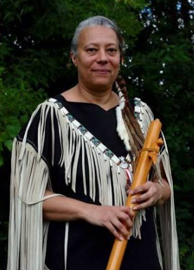
Dawn Moneyhan | Dawn Moneyhan Dawn Moneyhan is a Tribal Elder of the Little River Band of Ottawa Indians, author, spiritual leader, knowledge keeper, pipe carrier, and teacher. With more than 30 years of public speaking experience and equally extensive experience within Wisconsin’s healthcare system, Dawn strives to reconnect people to the natural world through Indigenous culture and traditional practices and knowledge. Dawn teaches Western healthcare about the benefits of Indigenous culture and experience, offering perspectives, practices, and methods for a system that often forgets Western medicine began with, and grew from, Indigenous medicine. |
Alex Nelson | Alex Nelson, Medical Student Alex Nelson is a fourth-year medical student and current sports medicine research fellow affiliated with UW-SMPH and the Department of Orthopedics & Rehabilitation. His research interests include bioinspired tissue engineering, orthobiologics and regenerative medicine, and surgical nutrition outcomes. He is interested in an academic career as a surgeon-scientist, educator, and community advocate. Outside of the lab and OR, you can find Alex tending his garden plot, writing op-eds, playing his alto saxophone, backpacking the Pacific Northwest, or riding his hand-built, fixed-gear bicycle. He has been a member of HCW for the past 3 years, most recently assisting in the upstart of the Food & Water coalition, attuned to the intersection of labor rights, environmental health equity, sustainable agriculture, and immigration policy as they relate to the lived experience of migrant, seasonal, and undocumented laborers supporting Wisconsin's agricultural and cultural identities.
|
Isioma Odum, MASJ | Isioma Odum, MASJ As a dedicated advocate for racial equity and a seasoned participant in numerous leadership training programs, Isioma is on a journey in social justice and community engagement. Her experience spans organizing hospital unions, mobilizing communities of color for climate change, and championing the emotional and spiritual well-being of those in the diaspora. Her academic background includes a Bachelor of Arts in Social Science from Washington State University, which laid the foundation for her commitment to exploring complex social systems and their impact on communities of color. She later earned a Master of Arts in Social Justice from Loyola University Chicago, Institute of Pastoral Studies, where she engaged deeply with the concepts of equity, ethics, and systemic change. |
Olaitan Oyedun | Olaitan Oyedun Olaitan Oyedun is a Master of Public Health student at UW-Zilber School of Public Health. He has extensive experience in healthcare research, public health interventions, and health program management, with years as a Public Health, Community Medicine Physician, and Epidemiologist in Nigeria. |
Dawn Padilla, RN | Dawn Padilla, RN Dawn Padilla is a Women’s HIV Nurse Case Manager at the Medical College of Wisconsin. Dawn received her registered nursing degree from the University of Washington and previously served as a labor and delivery nurse. She also received her undergraduate degree in sociology and anthropology from Carleton College. Before becoming a nurse, she worked in community-based settings in migrant farm worker health, teen sexual health education, and complex care coordination in rural settings. |
April Parker | April Parker April Parker is a sustainability advocate and Regional Renewable Energy Program Coordinator at Faith in Place, where she advances clean energy education, environmental justice, and community-driven sustainability initiatives across Illinois, Indiana, and Wisconsin. With a background spanning ecology, environmental policy, and community engagement, April is passionate about bridging the gap between environmental research and the communities most affected by environmental challenges. She leads Faith in Place's Air Aware campaign, engaging residents in citizen science and indoor air quality education better to understand household pollution and its potential health impacts. April holds master's degrees in Plant Biology and Conservation from Northwestern University and Environmental Science and Sustainability from Loyola University Chicago. Her work is rooted in making environmental knowledge, healthier living environments, and clean energy solutions more accessible and equitable for all communities. |
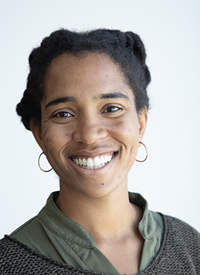
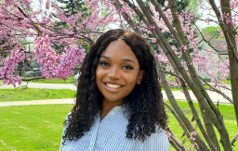
Kylie Peterson | Kylie Peterson Kylie Peterson is an undergrad studying Biology and International Studies at the University of Wisconsin-Madison. She has a special passion for medicine and the environment, where she is currently exploring these fields through medical research and global health policy. Healthy Climate Wisconsin’s mission fits well into her career and personal goals, and she is excited to be a student representative of HCW at the conference. |
Paula Pintar, MSN, RN, ACNS-BC, AL-CIP, FAPIC | Paula Pintar, MSN, RN, ACNS-BC, AL-CIP, FAPIC Paula Pintar, MSN, APRN-CNS, ACNS-BC, AL-CIP, FAPIC has more than two decades of experience working as a Registered Nurse and Infection Prevention in diverse clinical and leadership roles across community, academic, and Veteran health care systems. She has held board positions for the Association of Professionals in Infection Control and Epidemiology (APIC) at both local and national levels and has presented and authored abstracts at conferences. Her peer-reviewed publications focus on supporting and advancing the role of nursing professionals in infection prevention. She became an active community member successfully opposing a Microsoft data center from being built in her community. This has led her to be an active member in HCW and a Caledonia Village Trustee. |
Carri Prom, BSN, RN | Carri Prom, BSN, RN Carri Prom is a former nurse practitioner, mom, and co-founder of the grassroots nonprofit Great Lakes Neighbors United. She became an advocate when her town of Port Washington became ground zero of the hyperscale data center issue in Wisconsin. |
Jade Ratliff | Jade Ratliff Jade Ratliff is an Early Childhood Outdoor Learning Educator at the Schlitz Audubon Nature School. She specializes in nature-based early childhood education, bringing over 25 years of teaching experience spanning three states across nature schools, elementary education, literacy education, and professional teacher development. |
Jacqueline Redmer, MD, MPH | Jacqueline Redmer, MD, MPH Jacqueline Redmer, MD, MPH, is a family medicine physician specializing in palliative care and hospice in southwest Wisconsin’s Driftless Region. A Wisconsin native, she earned her MD and MPH from the University of Wisconsin–Madison after serving as a public health Peace Corps Volunteer in Kazakhstan. Her work has included caring for underserved communities in the United States and abroad, and she practiced rural family medicine for 10 years before focusing on end-of-life care. Dr. Redmer is also a published poet and writer whose work has appeared in several literary and medical publications. She completed Columbia University’s Narrative Medicine program and enjoys listening to, reading, and writing stories. She has led narrative-healing workshops for healthcare organizations and also her local community. Dr. Redmer appreciates the multitude of ways this practice can increase our empathy for and attunement with others. |
Lauren Reeg | Lauren Reeg Lauren is an advocate on Evergreen Action’s Midwest team, where she leverages policy expertise and economic analytics to lead clean energy policy campaigns in Wisconsin. Before joining Evergreen, Lauren led RMI’s Midwest Carbon-Free Buildings work. She earned a master’s degree in Environment and Resources from the University of Wisconsin–Madison, with an emphasis in Energy Analysis and Policy. During her graduate studies, she interned with RENEW Wisconsin, where she focused on regulatory analysis of clean energy policy in Wisconsin. |
Amanda Richman, MPH | Amanda Richman, MPH Amanda Richman is a Workforce Development Coordinator at the City of Milwaukee Health Department. She received her Master's in Public Health from the University of Michigan School of Public Health. Amanda holds many leadership roles within statewide groups, including the Wisconsin Public Health Association, Healthy Climate Wisconsin’s Board, and is active in community-based groups locally. |
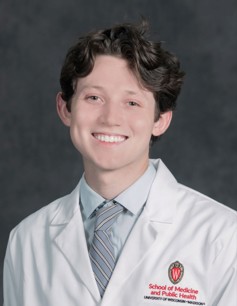
David Rowlett. Medical Student | David Rowlett. Medical Student David is a third-year medical student at the University of Wisconsin School of Medicine and Public Health. He was originally born in Washington state and grew up in the greater Seattle area before going to school at the University of Washington, where he obtained a Bachelor's degree in neuroscience. After graduating, he worked as a nursing assistant for 2 years before coming to Wisconsin to start medical school. At this point in his training, having completed 3 of his 4 core clinical rotations, he is currently interested in pursuing internal medicine for residency, with an interest in gastroenterology. During his outpatient rotation in Milwaukee this past summer, he and his classmate Brandon worked with Healthy Climate Wisconsin on a Community Health Engagement Project where they helped research the DNR and create educational materials on the impacts that their decisions have on Wisconsin air quality. |
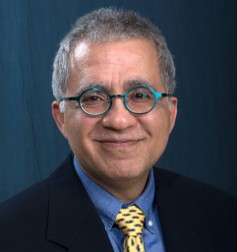
Ashwini Seghal, MD | Ashwini Seghal, MD Dr. Ashwini Sehgal is an internal medicine physician at the Metro Health System and a Professor of Medicine at Case Western Reserve University in Cleveland, Ohio. He did his medical training at Harvard Medical School, Massachusetts General Hospital, and the University of California, San Francisco. Dr. Sehgal’s research has focused on quality improvement, health disparities, and climate change.
|
Stephanie Siwak, MPH | Stephanie Siwak, MPH Stephanie Siwak holds a Master of Public Health from the University of Wisconsin–Milwaukee. Her interests include environmental and occupational health, health equity, and the role of public policy in addressing systemic inequities. As a volunteer with Healthy Climate Wisconsin, she has contributed to research and advocacy focused on the public health impacts of energy infrastructure and utility policy. Outside of her advocacy work, she enjoys playing music and exploring Milwaukee's arts and music scene. |
Jasia Steinmetz, PhD, RD, CD | Jasia Steinmetz, PhD, RD, CD Jasia Steinmetz is a Professor of Nutritional Sciences at the University of Wisconsin-Stevens Point, in the School of Health Promotion and Human Development. Alongside her academic roles, she has worked as a consulting nutritionist since 1992. Her research focuses on dietetics education, food security, sustainability, and community development. Professor Steinmetz has published extensively, including contributions to The Sage Encyclopedia of Food Issues and is the author of the book Eat Local: Simple Steps to Enjoy Real, Healthy & Affordable Food. Her work promotes practical approaches to nutrition and sustainability. |
Amanda Sullivan, PharmD | Amanda Sullivan, PharmD Amanda Sullivan is a pharmacist at Outreach Community Health Center, a Federally Qualified Health Center (FQHC) in Milwaukee, where she is passionate about providing accessible, community-centered healthcare. She earned her Doctor of Pharmacy (PharmD) from Midwestern University and a Bachelor of Science in Biology from the University of Illinois Chicago. Her background in biology sparked an interest in the connections between human health and the environment, shaping her perspective on the importance of a healthy climate for healthy communities. Outside of work, Amanda enjoys tent camping and exploring the many beautiful state parks Wisconsin has to offer. |
Cassandra Thiel, PhD | Cassandra Thiel, PhD Dr. Cassandra Thiel is a leading expert in clinical sustainability and a prominent voice on environmental management in healthcare. She is an Assistant Professor across three departments at New York University: Population Health and Ophthalmology at the Grossman School of Medicine, and Civil and Urban Engineering at the Tandon School of Engineering. Dr. Thiel also serves as the President and CEO of Clinically Sustainable Consulting LLC where she consults with healthcare systems, medical device manufacturers, and pharmaceutical companies for improved performance. Her research leverages life cycle assessment, operations management, and industrial ecology to analyze and improve the environmental footprint of medical systems, healthcare practices, and medical technologies. A prolific researcher, she has authored over 60 peer-reviewed manuscripts and secured more than $1.5 million in grant funding, including awards from the NSF and NIH. Dr. Thiel is highly after as a speaker, having delivered over 120 lectures and grand rounds, including 40 internationally. She is also a dedicated mentor, having guided over 85 students and junior faculty in their Research. As a Fulbright-Nehru Academic and Professional Excellence fellow, her work in India demonstrated that sustainable practices in cataract surgery can dramatically reduce its carbon footprint, a finding that has garnered international attention. Dr. Thiel earned her PhD from the University of Pittsburgh and her BS from Michigan Technological University, both in Civil Engineering
|
Christian Trunley | Christian Trunley Christian Trunley is a nonprofit communications and events professional with a passion for connecting health professionals to create a powerful network for positive change. Christian holds a Bachelor of Arts in Communications and a Minor in Food Systems from the University of Minnesota–Twin Cities and a Master of Sustainable Peacebuilding from the University of Wisconsin–Milwaukee, College of Nursing. This unique mix of educational experiences has equipped him with advanced skills in systems thinking, community engagement, and complex project planning. Christian began his mission-based work in the food justice space, working with an organization that grew, cooked, and delivered nutritionally tailored meals to people living with life-threatening illnesses across Minneapolis and St. Paul. Over the last eight years, Christian witnessed the dedication of health professionals and the positive impact their voices can create. He now serves as the Volunteer and Development Coordinator at Healthy Climate Wisconsin.
|
Brandon Walton | Brandon Walton, Medical Student Brandon is a second-year medical student at the University of Wisconsin-Madison School of Medicine and Public Health. Through a shared concern about the adverse health effects of poor air quality in Wisconsin and climate change at large, Brandon partnered with Healthy Climate Wisconsin to continue the fight for clean air for all. He has volunteered as a community member at Kinship Food Center in Milwaukee since 2021, where he fostered meaningful relationships with others that grew into an appreciation for public health at the community organization level. He also served as a chief scribe for three of his five-year tenure in the Milwaukee, WI-based Emergency Departments. Outside of his academic and professional pursuits, Brandon enjoys playing the piano and violin. |
Emily Walz, MD | Emily Walz, MD Emily Walz, MD is a community psychiatrist who is specifically interested in climate change's impacts on people suffering from severe mental illness. She received her Masters of Social Work from the Ohio State University in 2005. For several years, she managed a small caseload of severely, persistently mentally ill adults at Northwest Community Counseling Centers in Ohio. She received both a medical degree and completed psychiatric residency training at the University of Wisconsin School of Medicine and Public Health. She was awarded a National Health Service Corps Scholarship and, for the past seven years, has worked at Sixteenth Street Community Health Center, a federally qualified health center, in Waukesha, Wisconsin. Most recently, Emily has accepted a position at the University of Wisconsin; the position includes academic program development in Climate Psychiatry. |
Elizabeth White, MD | Elizabeth White, MD Elizabeth White, MD, is a Family Medicine Physician practicing with Emplify Health, formerly Gundersen Health in Boscobel, Wisconsin. Her practice is focused on family-based care across the life cycle with a focus on prevention and community health. She received her Medical degree at the University of Wisconsin School of Medicine and Public Health and continues as a UWSMPH Clinical Adjunct Faculty member as a rural clinical educator. She completed her residency training at Gundersen Health, a national leader in decarbonizing and energy independence in healthcare. Dr White is active both in advocacy for clean energy solutions in rural Wisconsin as well as working to bridge the rural-urban divide through climate advocacy. |
Sarah Zarling | Sarah Zarling Sarah Zarling is a Social and Environmental Justice advocate and photojournalist. She is the founder of Citizens Acting for Rail Safety, Watertown chapter, a Community Organizer with The WEBB at Walnut Way, and on the Climate Action Mapping Project of Wisconsin Board of Directors. Sarah has been traveling around the state helping residents, city leaders, and legislators understand more about hyperscale data centers, with a particular focus on impacts to residents near the construction. |
Alexandria Zielinski, DNP, APNP | Alexandria Zielinski, DNP, APNP Alexandria Zielinski is a nurse practitioner working in outpatient internal medicine at the Medical College of Wisconsin. In this role, she prioritizes holistic and personalized care which are foundational to well-being. She is also clinical faculty at Marquette University where she guides undergraduate nursing students in nursing theory and practice. As well as caring for patients and students at an individual level, she collaborates with others for healthier communities and advocates for policies that impact those she serves. Alex has passion for systems change and understanding that all things are interconnected and interdependent, so she strives to improve planetary health. With a Doctor of Nursing Practice (DNP) from Marquette University, her doctoral project focused on implementing environmental justice education using the Planetary Health Framework, aiming to create transformative nursing students equipped to address health disparities. She has collaborated with leading organizations to create education, raise awareness, and present on climate and health.
|
Landon Zimmerman | Landon Zimmerman Landon Zimmerman is a fourth-year medical student at the Medical College of Wisconsin and is applying for a pediatrics residency. He has been involved with Healthy Climate Wisconsin for more than a year, contributing to Health Harms Reports, authoring an op-ed on the health effects of pollution from hyperscale data centers, testifying at public hearings, and meeting with legislators. He has also served on the Legislative Action Committees of the Wisconsin Academy of Family Physicians and the Wisconsin Medical Society. Landon is passionate about advocacy, particularly using his future role as a physician to elevate climate-health issues and their impacts on patients, communities, and families. |












Policy on Disclosure
It is the policy of the University of Wisconsin–Madison Interprofessional Continuing Education Partnership (ICEP) to identify, mitigate and disclose all relevant financial relationships with ineligible companies** held by the speakers/presenters, authors, planners, and other persons who may influence content of this accredited continuing education (CE). In addition, speakers, presenters and authors must disclose any planned discussion of unlabeled/unapproved uses of drugs or devices during their presentation.
For this accredited continuing education activity all relevant financial relationships have been mitigated and detailed disclosures are listed below.
**Ineligible companies are those whose primary business is producing, marketing, selling, re-selling, or distributing healthcare products used by or on, patients. The ACCME does not consider providers of clinical services directly to patients to be ineligible companies.
Name |
Role |
Financial Relationship Disclosures | Discussion of Unlabeled/Unapproved uses of drugs/devices in presentation? |
|---|---|---|---|
Abby Novinska-Lois, MPH | Course Director | No relevant relationships with ineligible companies to disclose | No |
| Danny Akenson | Speaker | ||
Julia Alberth, MPH | Planner/Speaker | No relevant relationships with ineligible companies to disclose | No |
| Ryan Almeida, Graduate Nursing Student | Facilitator | No relevant relationships with ineligible companies to disclose | |
| Jeffrey Amondson, PhD | Speaker | ||
| Ross Astoria, JD, PhD | Speaker | No relevant relationships with ineligible companies to disclose | No |
| Geri Aurora, RN | Speaker | ||
| Charlie Berens | Speaker | ||
Nina Berge, BA | Committee Member | No relevant relationships with ineligible companies to disclose | No |
| Joanne Bernstein, MD | Speaker | No relevant relationships with ineligible companies to disclose | No |
| Megan Bollen | Speaker | ||
| Jessy Bradish, MA, MBA | Speaker | ||
| Sheena Cook-Fugslang | Speaker | No relevant relationships with ineligible companies to disclose | No |
| Candance Doerr-Stevens, PhD | Speaker | ||
| Shawyn Domyanchich-Lee, PhD, MSW, BSW | Facilitator | ||
Sarah Francois, LCSW | Planner | No relevant relationships with ineligible companies to disclose | No |
Sue Gaard, MS, RN | Committee Member (former) | No relevant relationships with ineligible companies to disclose | No |
| Lori Gerstenfeld, MPH | Speaker | No relevant relationships with ineligible companies to disclose | No |
| Berrit Goodman, MSOT, MPH | Planner | ||
Joel Hill, MPA, PA-C | Planner | No relevant relationships with ineligible companies to disclose | No |
Brittany Keyes, PT, DPT, ATC | Planner, Speaker | No relevant relationships with ineligible companies to disclose | No |
| Samantha Laskowski | Speaker | No relevant relationships with ineligible companies to disclose | No |
| John Meurer, MD, MBA | Planner, Speaker | No relevant relationships with ineligible companies to disclose | No |
| Yesenia Meza | Speaker | ||
| Dawn Moneyhan | Speaker | ||
Tracy Mrochek, MPA, RN, NPD-BC | Committee Member | No relevant relationships with ineligible companies to disclose | No |
| Alex Nelson | Speaker | ||
| Isioma Odum | Speaker | ||
| Olaitan Oyedun | Facilitator | ||
| Dawn Padilla, RN | Speaker | No relevant relationships with ineligible companies to disclose | No |
| April Parker | Speaker | ||
| Kylie Peterson | Facilitator | ||
| Paula Pintar, MSN, RN, ACNS-BC, AL-CIP, FAPIC | Speaker | ||
Rob Poehnelt, BS | Committee Member | No relevant relationships with ineligible companies to disclose | No |
| Jade Ratliff | Speaker | ||
| Jacqueline Redmer, MD, MPH | Speaker | ||
| Lauren Reeg | Speaker | No relevant relationships with ineligible companies to disclose | No |
| Amanda Richman, MPH | Speaker | ||
| David Rowlett | Speaker | ||
| Ashwini Sehgal, MD | Speaker | No relevant relationships with ineligible companies to disclose | No |
| Stephanie Siwak, MPH | Speaker | ||
Jasia Steinmetz, PhD, RD, CD | Planner | No relevant relationships with ineligible companies to disclose | No |
| Amanda Sullivan, PharmD | Planner | ||
| Cassandra Thiel, PhD | Speaker | ||
| Christian Trunley, BA | Planner/Speaker | No relevant relationships with ineligible companies to disclose | No |
| Brandon Walton | Speaker | ||
Emily Walz, MD | Planner | ||
Elizabeth White, MD | Planner/Speaker | No relevant relationships with ineligible companies to disclose | No |
Alexandria Zielinski, DNP, APNP | Planner, Speaker | No relevant relationships with ineligible companies to disclose | No |
| Landon Zimmerman | Speaker | No relevant relationships with ineligible companies to disclose | No |
Accreditation Statement
| Logo | Joint Accreditation Statement |
|---|---|
 | In support of improving patient care, this activity has been planned and implemented by the University of Wisconsin–Madison Interprofessional Continuing Education Partnership (ICEP) and Healthy Climate Wisconsin. The University of Wisconsin–Madison ICEP is jointly accredited by the Accreditation Council for Continuing Medical Education (ACCME), the Accreditation Council for Pharmacy Education (ACPE), and the American Nurses Credentialing Center (ANCC), to provide continuing education for the healthcare team. |
Credit Designation Statements
| Logo | Professional Credit | Designation Statement |
|---|---|---|
| American Medical Association (AMA) | The University of Wisconsin–Madison ICEP designates this live activity for a maximum of 12.25 AMA PRA Category 1 Credit™. Physicians should claim only the credit commensurate with the extent of their participation in the activity. | |
| American Nurses Credentialing Center (ANCC) | The University of Wisconsin–Madison ICEP designates this live activity for a maximum of 12.25 ANCC contact hours. | |
 | American Academy of Physician Associates (AAPA) | The University of Wisconsin–Madison ICEP has been authorized by the American Academy of PAs (AAPA) to award AAPA Category 1 CME credit for activities planned in accordance with AAPA CME Criteria. This live activity is designated for 12.25 AAPA Category 1 CME credit. PAs should only claim credit commensurate with the extent of their participation. |
| Accreditation Council for Pharmacy Education (ACPE) | The University of Wisconsin–Madison ICEP designates this live activity for a maximum of 12.25 hours of knowledge-based CPE credit. Credit can be earned by successfully completing the activity, the assessment, and the evaluation. Credit will be provided to NABP CPE Monitor within 60 days after the activity completion. UAN: XXX | |
 | ASWB Approved Continuing Education (ACE) – Social Work Credit | As a Jointly Accredited Organization, the University of Wisconsin–Madison ICEP is approved to offer social work continuing education by the Association of Social Work Boards (ASWB) Approved Continuing Education (ACE) program. Organizations, not individual courses, are approved under this program. Regulatory boards are the final authority on courses accepted for continuing education credit. Social workers completing this course receive 12.25 General continuing education credits. |
 | American Psychological Association (APA) | Continuing Education (CE) credits for psychologists are provided through the co-sponsorship of the American Psychological Association (APA) Office of Continuing Education in Psychology (CEP). The APA CEP Office maintains responsibility for the content of the programs. |
 | Commission on Dietetic Registration Continuing Professional Education Units (CDR CPEUs) | Completion of the RD/DTR profession specific or IPCE activity awards CPEUs (One IPCE credit = One CPEU). If the activity is dietetics‐related but not targeted to RDs or DTRs, CPEUs may be claimed which are commensurate with participation in contact hours (One 60‐minute hour = 1 CPEU). RDs and DTRs are to select activity type 102 in their Activity Log. Sphere and Competency selection is at the learner’s discretion. |
| Wisconsin Occupational Therapy Association (WOTA) | Application in process |
| American Physical Therapy Association (APTA) | Application in process | |
| Continuing Education Units (CEUs) | The University of Wisconsin–Madison, as a member of the University Continuing Education Association (UCEA), authorizes this in person and virtual live activity for 1.125 continuing education units (CEUs) or 12.25 hours. |
Available Credit
- 12.25 AAPA Category 1 CME
- 12.25 ACPE Contact Hours - Pharmacist
- 12.25 AMA PRA Category 1 Credit™
- 12.25 ANCC Contact Hours
- 12.25 APA CE Credits
- 12.25 CDR CPEUs
- 12.25 Occupational Therapy (OT) CE Contact Hours
- 12.25 Physical Therapy Contact Hours
- 12.25 University of Wisconsin–Madison Continuing Education Hours
- 11.75 Approved for AMA PRA Category 1 Credit™
Call for Posters
Submit your abstract here by October 31, 2026!
Registration Pricing
Includes meals (in-person participants), | Registration | |
|---|---|---|
| 1-Day Only | Full Conference (Friday through Saturday) | 1-Day Only |
Physicians | $395 | $240 |
| Practicing Public and Healthcare Professionals or Health Administrators | $260 | $190 |
| Community Members | $200 | $130 |
| Students, Fellows, Residents, Retirees, or Fixed-Income | $150 | $100 |
Scholarship Opportunities
We believe everyone should have the opportunity to participate.
If registration fees, travel, or accommodation are influencing your decision to attend, at all, please fill out this quick form for discounts and/or full scholarships.
Creating an ICEP account
If you REGULARLY USE a UW-Madison NetID and password, log in with your NetID (use "UW-Madison NetID" link.) Otherwise, create a Visitor Account. Contact us at [email protected] for help. Creating multiple accounts may result in the loss of earned credits.
If you have a "uwalumni.com" email address and are having trouble accessing your ICEP Learning Portal account and/or emails, please contact [email protected] for assistance
Accessibility
The University of Wisconsin provides equal opportunities in employment and programming, including Title IX requirements. The University of Wisconsin fully complies with the legal requirements of the ADA and the rules and regulations thereof. If any participant in this educational activity is in need of accommodations, please contact [email protected].
Required Hardware/software
Free, current version of Chrome, Firefox, Safari, or Microsoft Edge with audio and video capabilities. Some older browsers and Microsoft Explorer could produce error messages or not display the content correctly.
Free, current version of Adobe Acrobat Reader or other .pdf reader.