
 Facebook
 X
X LinkedIn
 Forward
2026 WI Brain Injury Conference
Brain Injury: Hope and Healing for Today and Tomorrow
The 37th Annual Conference of the Brain Injury Association of Wisconsin will again have both locally and nationally known experts sharing innovative care strategies, how storytelling is healing, and how to find hope in the days, weeks, and years following brain injury.
The Keynote presentations will focus on finding hope, connection, and reframing after tragedy. Three individuals from Iowa will share how they have implemented an Online Brain Injury Screen for those they work with at a homeless shelter. They will also share about a new app they developed to help people who are unhoused gain agency and self-direction when accessing services. Breakouts will include various topics including suicide, the justice system, cognitive decline, behavior, medication issues, as well as psychiatric complications after brain injury. We will again have a survivor/family panel that has been incredibly popular for many years. The panel members will share their unique stories and perspectives and answer questions from the audience.
Thoughts from our 2025 participants:
|
Practice Gap and Needs
This year our conference will be focusing on many issues related to the chronic issues that often follow when a person experiences a brain injury. The specific “learning gaps” we will be addressing are related to the 2024 CMS designation of brain injury as a Chronic Condition. This designation came as the result of years of advocacy and research that showed how brain injury is not a linear injury with a set recovery trajectory or outcome. Dams-O’Connor, et al discuss the evidence for this needed change in perspective in, “Traumatic brain injury as a chronic disease: insights from the United States Traumatic Brain Injury Model Systems Research Program” published in the Lancet Neurology in 2023 (June:22(6):517-528).
The impact of this designation will have implications in the funding and provision of services for individuals with brain injury. Furthermore, the long-term experiences of survivors of brain injury will be validated and better understood as families, service providers and funding agencies change viewpoints and expectations.
In keeping with the long-term consequences and community focus of this year’s conference, homelessness, intimate partner violence, justice involvement and other psychiatric conditions will be discussed. There will also be a dedicated track for Pediatric Brain Injury issues.
In May of 2022, The Administration for Community Living (ACL) published, “Behavioral Health Guide: Considerations for Best Practices for Children, Youth, and Adults with TBI.” That publication discusses the need for Screening for Lifetime History of Brain Injury and how to modify clinical interventions for brain injury in various service venues.
“The ABCs of Supporting Students in Schools,” (The Challenge!, BIAA, Vol 17, Issue 3) relates the need for families and schools to be proactive in advocating for and securing needed supports for students with brain injury. They note that a brain injury happens suddenly and necessitates strong communication between everyone in a child’s life and also encourages long-term perspective on the possible yet unseen issues that come to light as a child develops and matures through various stages.
In keeping with the chronic and lifelong issues, there will also be a presentation on the latest in Concussion assessment and management. In a recent issue of The New England Journal of Medicine (N ENGL J MED 392:5) an article, titled “Sport-Related Concussion” by John Leddy, discusses the possible long term effects of concussion and the need for medical providers to understand possible individual based sequelae.
Elements of Competence
This educational activity is designed to change learner competence and focuses on the following competencies:
- Accreditation Council for Graduate Medical Education (ACGME)/Nursing: Patient care and procedural skills, Medical Knowledge, Practice-based learning and improvement, Interpersonal and Communication Skills, Professionalism, and Systems-based practice
- National Academy of Medicine (NAM)/Nursing: Provide Patient/Person-Centered Care
- Interprofessional Education Collaborative Competencies: Values and ethics, and Teams and Teamwork
- Social Impact and Belonging Competencies: Engage in Self-Reflection and Address Differences in Health Outcomes
Intended Audience
This conference is intended for physicians, advance practice nurses, physician assistants, nurses, psychologists, speech/language/hearing professionals, public health, social workers, research scientists, students, residents practicing in rural primary care and emergency, brain injury survivors, caregivers, family members, and others with interest in traumatic brain injury.
Global Learning Objectives
As a result of participating in this conference, members of the healthcare team, individuals with a brain injury, caregivers and family members will be able to:
- Describe the need and impact of the new designation of Brain Injury as a Chronic Condition.
- Explain the intersection of brain injury, mental health diagnosis, the criminal justice system, housing insecurity, long-term care and the impact on outcomes.
- Apply specific recovery strategies to various forms of brain injury (e.g. traumatic, tumor, stroke).
- Explain the therapeutic benefits of storytelling and how it can reframe trauma and impact health outcomes.
- Develop increased support within education and service systems that address the lifelong needs of brain injury survivors, with attention to issues described in the Chronic Condition designation, the overlay of mental health issues, and possible involvement of the justice system.
- Develop effective methods and processes for communication regarding brain injury, including recent changes in classification, outcome expectations, etc.
Thank you to our Sponsors and Exhibitors
Sponsors
The University of Wisconsin–Madison Interprofessional Continuing Education Partnership (ICEP) and the Brain Injury Association of Wisconsin gratefully acknowledge the financial support from the following companies/organizations: Administration on Community Living (State Partnership Grant), Brain Mapping Solutions, Brian Hodgkiss Injury Lawyers, Clearview Brain Injury Center, Craig and Amy Jordan, Dose Health, Froedtert & Medical College of Wisconsin - Department of Neurosurgery, Gingras, Thomsen & Wachs Lawyers, HeadStrong, Lakeview Specialty Hospital and Rehab, Neuroscience Group, Rotary Club of Eau Claire, WI, Smart Scan Medical Imaging, University of Wisconsin-Eau Claire - Speech, Language & Hearing Sciences Department, and the Wisconsin Institute of Neuroscience (WINS).
Exhibitors
Brain Mapping Solutions, BRAVE (Building Resilience through Action in VEterans and first responders) Program, Brian Hodgkiss Injury Lawyers, Clearview Brain Injury Center, Disability Rights Wisconsin (DRW), Dose Health, Epilepsy Foundation of Wisconsin, Froedtert & Medical College of Wisconsin - Department of Neurosurgery, Gingras, Thomsen & Wachs Lawyers, HeadStrong, Heather Fulton Curtis Foundation, Neuroscience Group, Rockmed, and Smart Scan Medical Imaging.
Course summary
- 10.50 AMA PRA Category 1 Credit™
- 10.50 ANCC Contact Hours
- 10.50 APA CE Credits
- 10.50 ASHA CEU Credit Hours
- 10.50 University of Wisconsin–Madison Continuing Education Hours
- 10.50 Approved for AMA PRA Category 1 Credit™
Agenda
Monday, May 18, 2026
7:00 AM - 4:45 PM (All times are in CT)
Time (in CT) | Session | Learning Objectives |
| 7:00 - 8:00 AM | Registration, Breakfast Buffet, and Open Exhibits*No continuing education credit is being provided for Registration, Breakfast Buffet, and Exhibits | |
| 8:00 - 8:15 AM | Welcome & Introduction~ Audrey Nelson, MS *No continuing education credit is being provided for this session | |
| 8:15 - 9:15 AM | Keynote IThe Power of Storytelling in Brain Injury Recovery ~ David Grant |
|
| 9:15 - 10:15 AM | Keynote IIEmpowerment Shelter ~ Melissa O'Neil & Tammy Weir |
|
10:15 - 10:30 AM | Break and Exhibits | |
| 10:30 - 11:30 AM | Plenary IBrain Injury: In it for the Long Haul ~ Francis Jareczek, MD, PhD |
|
| 11:30 - 11:40 AM | Break and Exhibits | |
| 11:40 AM - 12:40 PM | Breakout Sessions I | |
HeadStrong Community: Mobile Integrated Health And Community Paramedicine For Pediatric Mild Brain Injury ~ Mark Cicero, MD |
| |
Cognitive Decline After Brain Injuries ~ Michael Ward, MD |
| |
The Overlooked Connection: How Brain Injury Impacts Vision & Recovery ~ Valerie Frazer, OD, FOVDR |
| |
12:40 - 2:00 PM | Buffet Lunch & Open Exhibits*No continuing education credit is being provided for Lunch and Exhibits | |
Survivor and Family Panels: Moderated by Audrey Nelson | ||
| 2:00 - 2:20 PM | Family/Survivor Panel~ Clare Buckley & Patrick Buckley |
|
| 2:20 - 2:40 PM | Family/Survivor Panel~ Matt Dykas | |
| 2:40 - 3:00 PM | Panel Questions | |
| 3:00 - 3:15 PM | Break and Exhibits | |
| 3:15 - 4:15 PM | Breakout Sessions II | |
Stroke Recovery: The Catalyst & Continuation ~ Timothy Behrens, PhD, CHES, RFSA, FACSM |
| |
Game Your Brain: Using Board and Video Games to Heal Your Brain ~ Andrew and Linda Bub |
| |
Suicide Prevention After Brain Injury ~ Alec Wendelboe, BS |
| |
| 4:15 - 4:30 PM | Break and Exhibits | |
| 4:30 - 4:45 PM | Communicating About Brain Injury ~ Audrey Nelson, Brain Injury Association of Wisconsin |
|
Tuesday, May 19, 2026
7:00 AM - 1:30 PM (All times are in CT)
Time (in CT) | Session | Learning Objectives |
| 7:00 - 8:15 AM | Registration, Breakfast Buffet, and Open Exhibits*No continuing education credit is being provided for Registration, Breakfast Buffet, and Exhibits | |
| 8:15 - 8:30 AM | Welcome & Updates~ Audrey Nelson, MS *No continuing education credit is being provided for this session | |
| 8:30 - 9:30 AM | Keynote IIIThe Script Change Playbook ~ Suzanne Spencer |
|
| 9:30 - 10:30 AM | Plenary IIHope and Healing Through Story: Moving Forward Together After Brain Injury ~ Katie Strong, PhD |
|
| 10:30 - 10:45 AM | Break and Exhibits | |
| 10:45 - 11:45 AM | Breakout Sessions III | |
Behavior After Brain Injury I ~ Bob Karol, PhD |
| |
Brain Injury & Corrections ~ Alec Wendelboe, BS |
| |
Benefit Preservation With Special Needs Trusts ~ Emily Wheeler & Emma Janes |
| |
| 11:45 AM - 12:00 PM | Break and Exhibits | |
| 12:00 - 1:00 PM | Breakout Sessions IV | |
Behavior After Brain Injury II ~ Bob Karol, PhD |
| |
Medication Management and Mental Health: Navigating Pharmacological Treatment After Traumatic Brain Injury ~ Robert Frank, MS |
| |
Getting Started with Storytelling: Supporting People with Aphasia & Communication Changes After Brain Injury ~ Katie Strong, PhD |
| |
| 1:00 - 1:15 PM | Break and Exhibits | |
| 1:15 - 1:30 PM | Conclusion: Townhall/What's Next for Wisconsin: A Conversation ~ Audrey Nelson, Brain Injury Association of Wisconsin |
|
Program Changes
Emergency situations occasionally occur and may necessitate topic or speaker changes. The Brain Injury Association of Wisconsin (BIAW) and the University of Wisconsin–Madison ICEP reserve the right to alter or substitute a topic or speaker without prior notification.
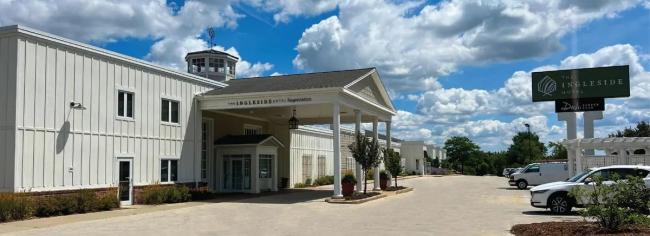
Rooms at The Ingleside Hotel
Discounted Rooms Available at The Ingleside Hotel. No login/Attendee Code needed: https://reservations.travelclick.com/17743?groupID=5100962
Speakers
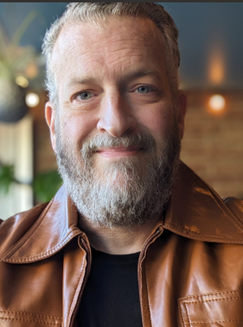
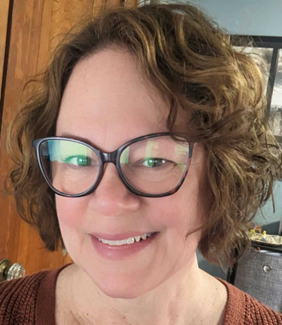
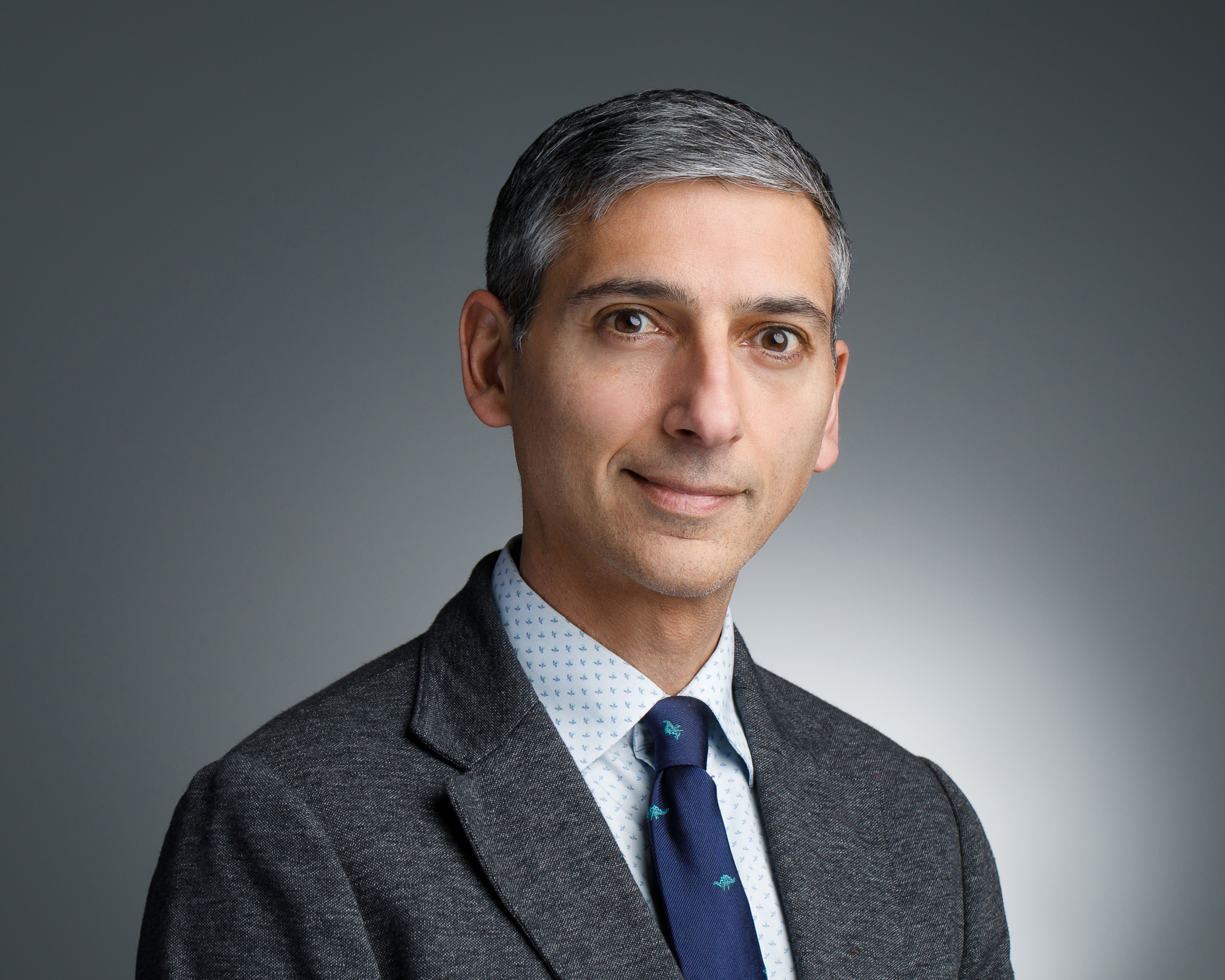
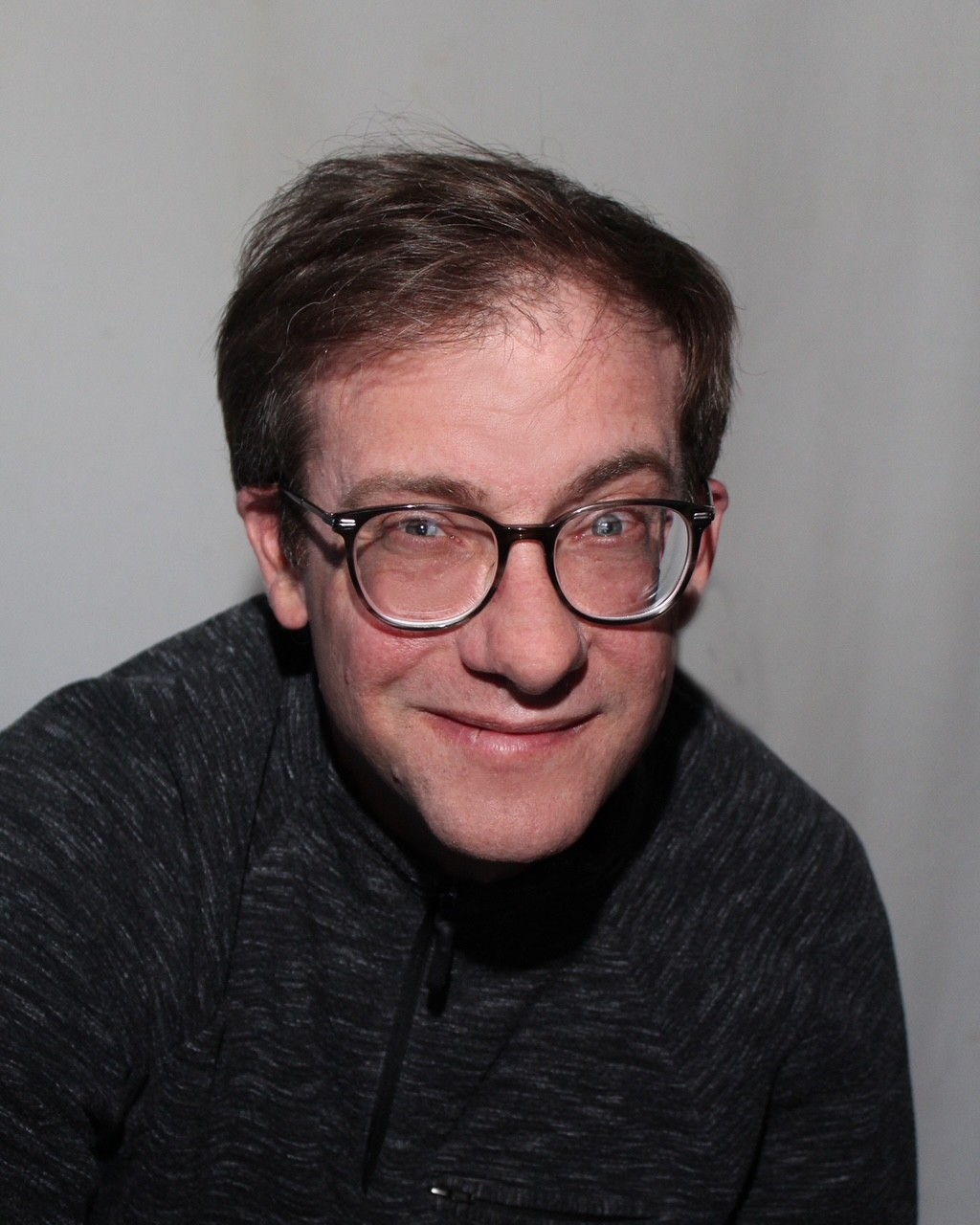
| Timothy K. Behrens, PhD, CHES, RFSA, FACSMTimothy "Tim" K. Behrens is a Professor in the School of Rehabilitation Sciences and Technology at the University of Wisconsin-Milwaukee and a stroke survivor that occurred during COVID in 2020-21. At the time of his injuries, he was Dean of the College of Health Sciences at UWM. In the years since his strokes, Dr. Behrens has dealt with many common difficulties facing survivors of brain injury. In his presentation, Dr. Behrens will share the catalyst for his recovery (Therapeutic Recreation) and how he continues towards continual recovery through his teaching, research, and community engagement. |
Clare & Patrick Buckley | Clare BuckleyClare Buckley leads the Traumatic Brain Injury Support Program at SOAR Fox Cities in Appleton, Wisconsin. As a fellow Traumatic Brain Injury survivor; her personal experience, knowledge and education within the brain injury field have assisted her to better serve this community. Clare and her father Patrick will speak upon their personal experience(s) and the aftermath of a Traumatic Brain Injury.
Patrick Buckley, B.S. Business Administration, MBA, CPAPatrick is an experienced business executive with +40 years diverse experience leading, managing and advising successful for-profit businesses and not-for-profit organizations. He held President & CEO positions with 4 businesses over the past +30 years; including both manufacturing/distribution and service organizations. Patrick also held a number of board positions with both for-profit and not-for-profit organizations. H provided +15 years professional consulting services through both formal consulting firms, and independently, across both many industries and functional business areas. |
Andrew & Linda Bub | Andrew & Linda BubAndrew S. Bub, also known as GamerDad, has spent over 25 years writing about video games, movies, and children. He shifted from magazine journalism to focus on media violence and educating parents, collaborating with various outlets and policymakers. After suffering two strokes in 2022 that affected his vision and cognitive abilities, Andrew used board games as therapy and now shares these strategies as “BrainerDad.” His wife, Linda Bub, is an advanced practice nurse and educator with 35 years of experience. Together, they will present on using games to promote health and well-being in brain injury recovery. When people think of brain injury recovery, they think of hours of therapy, not fun and games. For those that don’t qualify for therapy or those looking to supplement therapy with something fun, board games are a way to do just that! Learn how games can help in recovery, allow you to see progress over time and just have fun! Andrew and his wife Linda (a gerontological Clinical Nurse Specialist and nurse educator) discuss gaming and the impact on brain health and wellbeing as well as a fun way to improve overall health and wellbeing. Andrew and his wife have presented to clinical professionals and the community on using games for recovery, health promotion, and sharing a passion for gaming. |
| Mark Cicero, MD, FAAPMark X. Cicero MD, FAAP is an associate professor in the section of pediatric emergency medicine (PEM) at the Yale School of Medicine. Prior to this appointment, he completed medical school at State University of New York at Buffalo, pediatrics residency and chief residency at the Children’s Hospital of the King’s Daughters, and PEM fellowship at Yale. He has designed experiential and didactic curricula in pediatric disaster medicine, and has published original research about disaster medicine educational strategies. His research is sponsored by Emergency Medical Services for Children and the Agency for Healthcare Research and Quality. He has served nationally as a consultant for prehospital and hospital pediatric disaster preparedness. Firsthand disaster experience includes hurricane Isabel in Norfolk VA, as well as an epidemic. He serves as the chair of the pediatrics committee of the National Association of EMS Physicians, and on the National Biodefense Science Board. |
Matt Dykas | Matt DykasMatt was 18 when he had a stroke—the catalyst for a complete reset of how he moved through the world. For 27 years, he has been adapting to a brain that functions differently. Today, he writes and shares his experiences to bridge the gap between his lived journey and the brain injury community. |
| Robert Frank, MSN, APNP, A-GNP, PMHNPRobert is a board-certified nurse practitioner in both psychiatric/mental health and adult-gerontology care. He earned his Master’s degree in Nursing from Marian University in Fond du Lac and completed his Psychiatric Mental Health Nurse Practitioner Certification (PMHNP) at the University of Wisconsin–Madison. Robert’s clinical background spans intensive care, cardiology, and correctional health nursing. His career as a nurse practitioner began in primary care, practicing for four years before pursuing his certification in mental health. For the past eight years, Robert has specialized in brain injury recovery and also provides care in community outpatient mental health, subacute inpatient behavioral health units, memory care settings, and a residential facility for individuals with intellectual disabilities. |
| Valerie Frazer, OD, FCOVDBefore entering optometry school, Dr. Valerie Frazer received her BA in human physiology from Southern Illinois University with additional studies in the areas of psychology and literature. After graduating from Southern College of Optometry in Memphis, Tennessee, Dr. Frazer moved to Wisconsin to complete a yearlong residency with a concentration in vision therapy and functional vision. Two years later, she achieved her board certification in these same areas from the College of Optometrists in Vision Development (COVD) now known as the Optometric Vision Development and Rehabilitation Association (OVDRA). Dr. Frazer sees patients in both the Madison (Waunakee) and Waukesha locations. |
| David GrantDavid is the founder of BIHN, a 501(c)(3) nonprofit organization whose mission is to provide a comprehensive array of resources designed to support brain injury survivors and caregivers. David is a freelance writer and the author of several books about life after brain injury. He is also a regular columnist for HEADWAY, the print publication of the Brain Injury Association of New Hampshire. David has dedicated his time to advocacy on behalf of the brain injury community. He founded the BIHN Facebook Community, a vibrant online community for people living with brain injury, family members, and caregivers. A New Englander by birth, David and his wife, Sarah, live in southern New Hampshire. Never one to slow down, David still averages an hour a day on his bike. |
Emma Janes | Emma JanesEmma Janes is a Trust Information Coordinator at the disability services agency, Life Navigators. Since earning her Bachelor of Social Work in 2018 at the University of Wisconsin-Eau Claire, she has worked as a social services professional in community case management, medical case management, and disability services. In her role as Trust Information Coordinator, she helps educate individuals, families, and professionals on special needs trusts as a planning tool for financial and benefit management. Emma values meeting people where they are at in order to help build bridges for them to connect with the resources they need. |
| Francis Jareczek, MD, PhDDr. Frank Jareczek is an assistant professor of neurosurgery with subspecialty training in neurocritical care and endovascular neurosurgery. Dr. Jareczek grew up in the southwest suburbs of Chicago and obtained degrees in biomedical engineering and biology from Boston University. He returned to the Midwest for combined MD/PhD training at the University of Iowa Carver College of Medicine, where his thesis work on the neurobiology of pain led to a PhD in Neuroscience. Dr. Jareczek then completed neurosurgical residency at the Penn State Milton S. Hershey Medical Center. He pursued additional fellowship training in neurocritical care with the goal of being able to comprehensively manage all body systems in his critically ill neurosurgical patients to optimize their overall outcome. His advanced training in endovascular neurosurgical techniques has equipped him with the skillset to offer more minimally invasive approaches to treating brain aneurysms and vascular malformations, as well as the ability to effectively treat patients with vessel blockages causing strokes. Dr. Jareczek has a strong interest in training the next generation of neurosurgeons and neurocritical care providers and is actively involved in many local and regional teaching activities. |
| Robert Karol, Ph.D., LP, ABPP-RP, CBISTDr. Karol is President of a group private practice, Karol Neuropsychological Services & Consulting, in Minneapolis, that specializes in counseling for persons with brain injury and other disabilities, neuropsychological and rehabilitation evaluations, program development consultation for organizations, workshops & staff training, and case consultation for providers, insurers, and attorneys. Dr. Karol has also recently served as Vice President of Brain Injury Services responsible for Brain Injury Services’ programmatic leadership, marketing, and admissions for a provider of long-term care, assisted living facilities, and other services through specialty programs across multiple states. Prior work was as Director of a hospital based behavioral program for people with challenging levels of behavioral dyscontrol who had failed other programs, but were able to return to the community through his program. Dr. Karol is Board Certified by the American Board of Professional Psychology (ABPP) as a Rehabilitation Psychologist and is Certified by the Academy of Certified Brain Injury Specialists (ACBIS) as a Certified Brain Injury Specialist Trainer (CBIST). He received the American Psychological Association Rehabilitation Division Lifetime Practice Excellence Award in 2015 for “excellence in clinical practice and contributions to the field of rehabilitation psychology.” He is a member of the Minnesota Academy of Medicine. |
Audrey Nelson, MS | Audrey Nelson, MSIn 1981 Audrey experienced a brain Injury in a car accident during her Freshman year of college; she was 18. In 1983, she was a co-founder and facilitator of a brain injury support group in Eau Claire that met for over 30 years. Audrey earned a Bachelor of Social Work (BSW) in 1987 and subsequently, a Graduate degree in Vocational Rehabilitation in 1994. Since 1985, she has had several different roles on the board of directors of the Brain Injury Association of Wisconsin. She also currently serves on the Mayo Clinic Brain Injury Advisory Board. Audrey began Reality Unlimited, LLC in 1995, providing residential care for individuals with brain injury. She recently sold this company and is looking forward to the next chapter in her work in brain injury advocacy. One of her most exciting projects was started in 2020, a brain injury & poetry support group that recently published a book of poetry. She is the mother of 3 adult children and recently, a proud grandmother who loves to spend time with her family. |
| Melissa O'NeilMelissa O’Neil has been the Chief Executive Officer of Central Iowa Shelter & Services since February, 2016. Prior to her position with CISS, Melissa worked at IJAG as Vice President. She has consistently served in leadership roles including Assistant Women’s Basketball Coach at Indiana University of Pennsylvania for three years and Graduate Assistant Women’s Basketball Coach for two years. She leads with passion and purpose. Melissa has volunteered her time and talent with Christ the King Girls Basketball team, Indianola Tribe Soccer and United Way of Central Iowa. She received her Bachelors in Communication from Clarion University of Pennsylvania in 2001 and her Masters in Advertising from Syracuse University in 2003. Melissa resides in Indianola with her husband - Jeremy, daughter – Katie, son – Patrick, and puppy Aspen. |
| Suzanne SpencerSuzanne Spencer took countless calls and story ideas over a decade working as a tv news reporter and anchor. When her phone rang in 2021, the news was delivered to her – that she had a brain tumor – and it changed the trajectory of her life. Suzanne is now a two-time brain surgery survivor, inspirational speaker, and storyteller who pivoted to create her own business, Suzanne Speaks, with a core mission to guide audiences through challenges. Suzanne lives in Milwaukee with her husband Paul, daughter Jane, and dog Wally. |
| Katie Strong, Ph.D. CCC-SLPDr. Katie Strong is an Associate Professor at Central Michigan University where she leads the Strong Story Lab. With over 30 years of experience as a speech-language pathologist, Katie partners with people living with aphasia and brain injury to co-construct stories that support identity, hope, and healing. Her work is grounded in the belief that everyone deserves to tell their story - and that clinicians play a vital role in making that possible. |
| Michael J. Ward, MDDr. Ward is a graduate of The University of Michigan Medical School where he also completed residency in Physical Medicine and Rehabilitation. He specialized in clinical care for children and adults with traumatic brain injuries for 36 years including 24 years with the Clearview Brain Injury Center. He is currently an Associate Professor in Pediatrics at the University of Wisconsin Hospital, where academic activities included coordination of educational programs for medical students in a multidisciplinary neuroscience course and for residents in medical care and rehabilitation after brain injury. |
Tammy Weir | Tammy WeirTammy Weir is the payroll & HR Specialist at Central Iowa Shelter & Services. She is in charge of not only making sure the administrative and shelter staff get what they need in terms of financial support and resources, but the job trainees as well! Tammy holds to Bachelor’s degrees, one in Accounting and the other in Health Services. She also has an A.A in Medicine. She has years of experience in staff accounting and being a controller. Tammy and her family (husband and 3 kids) moved from LA to Iowa 8 years ago for her husband's job. 4 years ago, while Tammy was going to school at Mercy, a part of her health program was to do service hours at a nonprofit. She picked CISS to serve at and worked in different areas around the shelter. When she saw the job opening this year, she was excited to apply with how familiar she already was with the shelter. Tammy also works as a paramedic in Marshalltown when she is not at CISS. In her free time, Tammy likes to go scuba diving, running, camping and watch hockey. Her spirit animal would be an elephant, "they have so much power but never yield it, only for protection or to help other animals". |
| Alec Wendelboe, BSAlec Wendelboe currently serves as the Education and Community Outreach Manager at the Minnesota Brain Injury Alliance since May 2021, where responsibilities include presenting workshops on brain injury and stroke basics and coordinating educational Lunch & Learn sessions for social service professionals. Previous experience includes working as a Case Manager at the same organization, providing Waiver Case Management services. Earlier roles include Research Assistant at the Wesley and Lorene Artz Cognitive Neuroscience Center, Sales Associate at Dunham's Sports, and Construction Worker at Front Street Construction. Alec holds a Bachelor of Science in Neuroscience from Hamline University, obtained in 2021, and graduated from Albert Lea Senior High School in 2018. |
Emily Wheeler | Emily WheelerEmily Wheeler currently serves as Program Manager of the Special Needs Trust Program at Life Navigators, helping individuals and families around Wisconsin protect their public benefits and plan for their futures. Emily has over 10 years of experience in the disability services community. Prior work experience of Emily’s includes working in case management and workforce development within the disability community. Emily graduated from Indiana University with a Bachelor’s of Science in Psychology and minor in Public and Environmental Affairs. |
Planning Committee
Audrey Nelson, MS* | Joshua Potter-Efron, MSW, LCSW, Clinical Associate Professor |
Chelsea Brehmer, Ph.D, CRC | Benjamin Siebert, MD, FAAPMR |
Caroline Feller | Thomas Tatlock, MD |
Jerry Hoepner, PhD, CCC-SLP, ASHA Fellow | Michelle Wesline, RN |
Michael Lace, Psy.D., HSPP |
|
*Conference Chair
Policy on Disclosure
It is the policy of the University of Wisconsin–Madison Interprofessional Continuing Education Partnership (ICEP) to identify, mitigate and disclose all relevant financial relationships with ineligible companies* held by the speakers/presenters, authors, planners, and other persons who may influence content of this accredited continuing education (CE). In addition, speakers, presenters and authors must disclose any planned discussion of unlabeled/unapproved uses of drugs or devices during their presentation.
For this accredited continuing education activity all relevant financial relationships have been mitigated and detailed disclosures are listed below.
*Ineligible companies are those whose primary business is producing, marketing, selling, re-selling, or distributing healthcare products used by or on, patients.
The ACCME does not consider providers of clinical services directly to patients to be ineligible companies.
Name | Role | Financial Relationship Disclosures | Discussion of Unlabeled/ Unapproved uses of drugs/devices in presentation? |
| Timothy Behrens | Speaker/Author | No relevant relationships with ineligible companies to disclose | No |
| Nina Berge | Committee Member | No relevant relationships with ineligible companies to disclose | No |
| Chelsea Brehmer | Planner | No relevant relationships with ineligible companies to disclose | No |
| Andrew Bub | Speaker/Author | No relevant relationships with ineligible companies to disclose | No |
| Linda Bub | Speaker/Author | No relevant relationships with ineligible companies to disclose | No |
| Clare Buckley | Speaker/Author | No relevant relationships with ineligible companies to disclose | No |
| Patrick Buckley | Speaker/Author | No relevant relationships with ineligible companies to disclose | No |
| Mark Cicero | Speaker/Author | No relevant relationships with ineligible companies to disclose | No |
| Matt Dykas | Speaker/Author | No relevant relationships with ineligible companies to disclose | No |
| Caroline Feller | Planner | No relevant relationships with ineligible companies to disclose | No |
| Robert Frank | Speaker/Author | No relevant relationships with ineligible companies to disclose | Yes |
| Valerie Frazer | Speaker/Author | No relevant relationships with ineligible companies to disclose | No |
| Sue Gaard | Committee Member | No relevant relationships with ineligible companies to disclose | No |
| David Grant | Speaker/Author | No relevant relationships with ineligible companies to disclose | No |
| Jerry Hoepner | Planner | No relevant relationships with ineligible companies to disclose | No |
| Emma Janes | Speaker/Author | No relevant relationships with ineligible companies to disclose | No |
| Francis Jareczek | Speaker/Author | No relevant relationships with ineligible companies to disclose | No |
| Robert Karol | Speaker/Author | No relevant relationships with ineligible companies to disclose | No |
| Michael Lace | Planner | No relevant relationships with ineligible companies to disclose | No |
| Suzanne Mpistolarides (Spencer) | Speaker/Author | No relevant relationships with ineligible companies to disclose | No |
| Tracy Mrochek | Committee Member | No relevant relationships with ineligible companies to disclose | No |
| Audrey Nelson | Course Director, Planner, Speaker/Author | No relevant relationships with ineligible companies to disclose | No |
| Melissa O'Neil | Speaker/Author | No relevant relationships with ineligible companies to disclose | No |
| Kathryn Paulson | Planner | No relevant relationships with ineligible companies to disclose | No |
| Rob Poehnelt | Committee Member | No relevant relationships with ineligible companies to disclose | No |
| Joshua Potter-Efron | Planner | No relevant relationships with ineligible companies to disclose | No |
| Benjamin Siebert | Planner | No relevant relationships with ineligible companies to disclose | No |
| Katie Strong | Speaker/Author | No relevant relationships with ineligible companies to disclose | No |
| Thomas Tatlock | Planner | No relevant relationships with ineligible companies to disclose | No |
| Michael Ward | Speaker/Author | No relevant relationships with ineligible companies to disclose | No |
| Tammy Weir | Speaker/Author | No relevant relationships with ineligible companies to disclose | No |
| Alec Wendelboe | Speaker/Author | No relevant relationships with ineligible companies to disclose | No |
| Michelle Wesline | Planner | No relevant relationships with ineligible companies to disclose | No |
| Emily Wheeler | Speaker/Author | No relevant relationships with ineligible companies to disclose | No |
Accreditation Statement
 | In support of improving patient care, this activity has been planned and implemented by the University of Wisconsin–Madison ICEP and the Brain Injury Association of Wisconsin (BIAW). The University of Wisconsin–Madison ICEP is jointly accredited by the Accreditation Council for Continuing Medical Education (ACCME), the Accreditation Council for Pharmacy Education (ACPE), and the American Nurses Credentialing Center (ANCC), to provide continuing education for the healthcare team. |
Credit Designation Statements
 | Continuing Education (CE) credits for psychologists are provided through the co-sponsorship of the American Psychological Association (APA) Office of Continuing Education in Psychology (CEP). The APA CEP Office maintains responsibility for the content of the programs. |
Available Credit
- 10.50 AMA PRA Category 1 Credit™
- 10.50 ANCC Contact Hours
- 10.50 APA CE Credits
- 10.50 ASHA CEU Credit Hours
- 10.50 University of Wisconsin–Madison Continuing Education Hours
- 10.50 Approved for AMA PRA Category 1 Credit™
Interested in Sponsoring this Conference or Being an Exhibitor?
Contact Audrey Nelson, MS, BSW, Executive Director, Brain Injury Association of Wisconsin
Questions?
Registration
Conference Information
Audrey Nelson, MS, BSW, Executive Director, Brain Injury Association of Wisconsin
Registration for this activity can only be completed through the ICEP Learning Portal. Attendee registrations made through any other sites cannot be honored. UW-Madison ICEP is not able to refund fees paid through unaffiliated registration sites, such as eMedEvents.com, MedConfWorld.com, EventEgg.com, and 10times.com. Please report any unauthorized websites or solicitations for registrations to [email protected].
Accessibility
We value inclusion and access for all participants and are pleased to provide reasonable accommodation for this event. Please contact [email protected] as soon as you can make a reasonable accommodation request.