
 Facebook
 X
X LinkedIn
 Forward
Some emergencies announce themselves. Others leave the team searching for clues while the danger grows.
Aortic emergencies can present that challenge. Recognizing the possibility, communicating concern, and coordinating the next steps connect EMS, emergency departments, and specialty teams at a critical moment.
Join us for this Special Edition of The H.A.L.O. Talks, our focus on High Acuity, Low Occurrence emergencies, featuring Dr. Andreas de Biasi and Dr. Paul DiMusto from UW Health.
Dr. Andreas De Biasi,

a cardiac surgeon specializing in complex aortic surgery,
and Dr. Paul DiMusto,
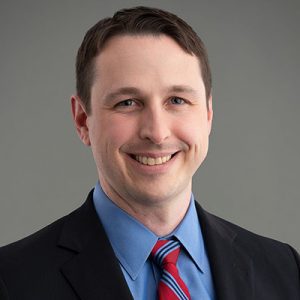
a vascular surgeon specializing in adult aortic disease, bring complementary perspectives to the care of patients with aortic aneurysms and dissections. Together, they will help connect the observations and decisions made during the first encounter with the specialized care that follows.
This session will trace the journey through prehospital recognition, ED assessment, specialty consultation, transfer when needed, and definitive treatment. We will explore what raises concern, which information matters most during communication between teams, and how a coordinated response can support timely access to aortic care.
The discussion will also introduce the UW Health Aortic Program, offering a closer look at how cardiac and vascular surgery expertise comes together to address these complex emergencies. Our speakers will help participants understand both what happens after the patient reaches the aortic team and how the actions of EMS and ED clinicians help make that care possible.
Whether you are assessing the patient in the field, receiving the first report, arranging a transfer, or preparing for definitive treatment, your part in the response matters.
The road to definitive care begins with someone recognizing the danger.
Target Audience
This activity is intended for EMS providers of all levels, including:
- Emergency Medical Responders
- EMT Basic
- Advanced EMTs
- Paramedics
- Critical Care Paramedics
- Emergency department nurses
- Advanced practice providers
- Physicians and other healthcare professionals involved in emergency and prehospital care
General Educational Objectives
Upon participation in this activity, EMS and emergency care professionals will be able to:
- Define hidden or silent hypoxia and describe why patients may appear clinically stable despite inadequate oxygenation.
- Explain the physiologic mechanisms that contribute to silent hypoxia in patients with COPD, sepsis, overdose, and evolving respiratory failure.
- Identify subtle assessment findings and vital sign trends that may indicate early respiratory deterioration before obvious distress or collapse.
- Apply evidence informed assessment, oxygenation, ventilation, capnography, reassessment and early notification strategies to patients at risk for respiratory failure
Continuing Education and Accreditation
This activity provides 1.0 Continuing Education Hour through the University of Wisconsin Interprofessional Continuing Education Partnership.
EMS Providers: This activity is accredited by the Commission on Accreditation for Prehospital Continuing Education (CAPCE). Granting of CAPCE credit does not represent endorsement by CAPCE or its board members.
EMS participants must attend the live session in its entirety and complete the required attendance verification and evaluation within 30 days to receive continuing education credit.
Cost
There is no cost to attend this activity.
Register here for the live session: SPECIAL EDITION. H.A.L.O. talks: The Aortic Program and the Road from First Contact to Definitive Care
- 1.00 AAPA Category 1 CME
- 1.00 AMA PRA Category 1 Credit™
- 1.00 ANCC Contact Hours
- 1.00 CAPCE CEH
- 1.00 University of Wisconsin–Madison Continuing Education Hours
- 1.00 Approved for AMA PRA Category 1 Credit™