
 Facebook
 X
X LinkedIn
 Forward
Not every patient in respiratory failure looks like they are failing.
Sometimes they are still talking.
Sometimes the oxygen saturation still looks acceptable.
Sometimes the breathing pattern is the only warning sign you get before the patient crashes.
Hidden hypoxia is one of the most dangerous challenges in emergency care because the patient may appear stable while oxygenation, ventilation, or perfusion is already moving in the wrong direction. COPD, sepsis, and patients after overdose can all compensate until they suddenly cannot.
This session will focus on the early field recognition of subtle respiratory failure before obvious collapse occurs. Participants will explore how respiratory effort, mental status, skin signs, positioning, speech pattern, pulse oximetry trends, and capnography can help reveal a patient who is silently deteriorating.
The emphasis is on field decision making. What to look for. What to trend. When to support ventilation. When to prepare for airway failure. How to avoid being reassured by one number when the patient is telling a different story.
Using practical case based discussion, this episode will help EMS and emergency care professionals recognize hidden hypoxia earlier, improve pre intubation oxygenation, understand delayed desaturation, and communicate concern clearly before the patient arrives at the hospital.
We are pleased to welcome our speaker:
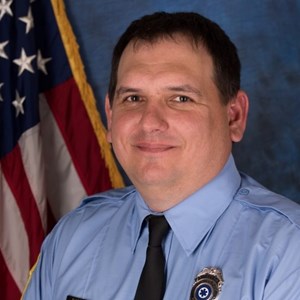
Jamie Stephenson, EMT CC, EMS Educator
Jamie currently serves as an EMS Education Specialist at UW Health’s Emergency Education Center and provides care through Brodhead Area EMS. His EMS background spans volunteer, fire-based, hospital-based, and career services, giving him a unique perspective on EMS from multiple angles. He holds a bachelor’s degree in education from UW-Oshkosh and has remained a strong advocate for staffing, professional development, and collaboration across the EMS landscape.
Target Audience
This activity is intended for EMS providers of all levels, including:
- Emergency Medical Responders
- EMT Basic
- Advanced EMTs
- Paramedics
- Critical Care Paramedics
- Emergency department nurses
- Advanced practice providers
- Physicians and other healthcare professionals involved in emergency and prehospital care
General Educational Objectives
Upon participation in this activity, EMS and emergency care professionals will be able to:
- Define hidden or silent hypoxia and describe why patients may appear clinically stable despite inadequate oxygenation.
- Explain the physiologic mechanisms that contribute to silent hypoxia in patients with COPD, sepsis, overdose, and evolving respiratory failure.
- Identify subtle assessment findings and vital sign trends that may indicate early respiratory deterioration before obvious distress or collapse.
- Apply evidence informed assessment, oxygenation, ventilation, capnography, reassessment and early notification strategies to patients at risk for respiratory failure
Continuing Education and Accreditation
This activity provides 1.0 Continuing Education Hour through the University of Wisconsin Interprofessional Continuing Education Partnership.
EMS Providers: This activity is accredited by the Commission on Accreditation for Prehospital Continuing Education (CAPCE). Granting of CAPCE credit does not represent endorsement by CAPCE or its board members.
EMS participants must attend the live session in its entirety and complete the required attendance verification and evaluation within 30 days to receive continuing education credit.
Cost
There is no cost to attend this activity.
Register here for the live session: “Hidden Hypoxia”: Recognizing Silent Respiratory Failure Before It Crashes.
- 1.00 AAPA Category 1 CME
- 1.00 AMA PRA Category 1 Credit™
- 1.00 ANCC Contact Hours
- 1.00 CAPCE CEH
- 1.00 University of Wisconsin–Madison Continuing Education Hours
- 1.00 Approved for AMA PRA Category 1 Credit™