
 Facebook
 X
X LinkedIn
 Forward
New to Public Health Residency Program 2026-2028: Session 3 - Chronic Disease and Injury Prevention
OVERVIEW
The New to Public Health Residency Program is an innovative development program designed to build confidence and competency for professionals who are new to public health.
The program is built upon the Foundational Public Health Services Model and develops enhanced knowledge and skills within the foundational areas and capabilities that are essential to public health practice.
The residency program includes an evidence-based practice project, peer networking, mentoring, facilitated reflection and journaling, simulation, and case studies to support the new resident as they transition to practice; while inspiring collaborative, interdisciplinary relationships to promote and protect health at a population level.
STATEMENT OF NEED AND PURPOSE
The residency program is designed to provide new public health professionals the foundational capabilities that are essential to public health practice. Overarching residency curriculum focuses on leadership, professional development, role-specific formation and competency. A residency program bridges the workforce by integrating the knowledge of experienced public health professionals and the fresh ideas of new staff to positively affect population health.
Integration of public health professionals from across jurisdictions allows the new public health professional to understand how diversity in the workforce strengthens essential services across city and county lines, and allows for enhanced networking and future collaboration.
Residency programs supplement state and local orientation programs and build upon department-specific policy, procedures, and tasks, to allow the resident to see a fuller picture of the field of public health.
This contemporary program utilizes a comprehensive practice model that supplements existing knowledge of staff and supports the synthesis of new ideas. The program promotes standardized tools for the participant to customize based on their individual practice.
INTENDED AUDIENCE
This residency program is designed to meet the needs of nurses, social workers, sanitarians, health educators, and other public health professionals that are new to their roles.
ELEMENTS OF COMPETENCE
This continuing education (CE) activity is designed to improve learner competence and focuses on the following areas:
- The American Board of Medical Specialties: Interpersonal communication skills, Professionalism and Systems-based practice
- National Academy of Medicine/Nursing: Employing evidence-based practice, Applying quality improvement, and Population Health
- Interprofessional Education Collaborative Competencies: Values/ethics, Roles/responsibilities, and Interprofessional communication
- Social Impact And Belonging: Engage in Self-reflection, Address Differences in Health Outcomes, and Value Culturally Centered Care.
GLOBAL LEARNING OBJECTIVES
By the end of the residency program, the new public health professional as a member of the interprofessional healthcare team will:
- Apply learned concepts from the Foundational Public Health Services’ model to their public health professional practice.
- Increase knowledge, skills, and confidence for competent public health practice.
- Access tools and resources applicable to public health practice.
- Apply health equity and social justice concepts to public health practice.
- Demonstrate enhanced cultural competency knowledge and skills in their individual practice.
- Research, plan, and present a quality improvement or evidence-based practice project within their local health department or community.
SESSION LEARNING OBJECTIVES
By the end of this session, the new public health professional as a member of the interprofessional healthcare team will:
- Explain how public health provides timely, statewide, and locally relevant, and accurate information to the health care system and community on chronic disease and injury prevention and control.
- Identify statewide and local chronic disease and injury prevention community partners and their capacities, develop and implement a prioritized prevention plan, and seek funding for high priority initiatives.
- Describe how public health can reduce statewide and community rates of tobacco use through a program that conforms to standards set by the state or local laws and CDC’s Office on Smoking and Health; including, activities to reduce youth initiation, increase cessation, and reduce secondhand smoke exposure, as well as exposure to harmful substances.
- Identify how public health works actively with statewide and community partners to increase statewide and community rates of healthy eating and active living through a prioritized approach focusing on best and emerging practices aligned with national, state, and local guidelines for healthy eating and active living.
- Recognize how public health coordinates and integrates categorically-funded chronic disease and injury prevention programs and services.
- Evaluate ways to engage members of the community in a community health improvement process that draws from community health assessment data and establishes a plan for addressing priorities. The community health improvement plan can serve as the basis for partnership development and coordination of effort and resources.
SUCCESSFUL COMPLETION
Residents will view lectures, panel discussions, participate in cased-based and small-group discussions, participation in simulation and skill-based training, and participate in simulation, skill-based training, and gaming activities over a 12 month period of time.
The residency program also includes an evidence-based practice project, peer networking, mentoring, facilitated reflection, journaling to support the new resident as they transition to practice while inspiring collaborative, interdisciplinary relationships to promote and protect health at a population level.
Course summary
- 7.25 ADA CERP Continuing Education Credits
- 7.25 ANCC Contact Hours
- 7.25 CECH Approved Credits
- 7.25 University of Wisconsin–Madison Continuing Education Hours
Session Sections
| Session 3: Pre-Test |
| Chronic Disease Overview |
| Scavenger Hunt |
| Nutrition, Physical Activity, and Obesity Prevention |
| Tobacco Prevention |
| Alcohol Use |
| Injury Prevention |
| Health Behaviors |
| Policy, Systems, and Environment Change |
| What Works for Health |
| CHA & CHIP |
| Showcase |
| Discussion |
| Reflection |
| Discussion Post Check In |
| Session 3: Post-Test |
| Session 3: Evaluation |
| References |
CURRENT CONTENT AUTHORS AND REVIEWERS
 | Beneli AndertBeneli Andert, MPH, (they/them/theirs) has a background working as a Wisconsin Population Health Service Fellow placed at the Wisconsin Department of Health Services in the Chronic Disease Prevention Unit. Through the Fellowship, Beneli was able to work to improve health in Wisconsin communities while simultaneously building public health and leadership skills around health equity and coalition building. They also have extensive experience working with LGBTQ health, mental health, education, and advocacy. |
 | Linda BaumannLinda J. Baumann, PhD, RN-C, FAAN is Professor Emerita University of Wisconsin-Madison School of Nursing and an affiliate faculty member in the School of Medicine and Public Health. She is a Fellow of the American Academy of Nursing and a Fellow of the Society of Behavioral Medicine. Professor Baumann received her nursing degrees from the University of Michigan and her PhD in health psychology from the UW-Madison. She practiced as an Adult Nurse Practitioner in primary care settings with underserved populations in both urban and rural settings and internationally. Her research examines how beliefs about health and illness influence self-care behaviors. Professor Baumann has been involved in healthcare workforce development in Uganda and Vietnam, and in rural Wisconsin. She is a founding member of the UW-Madison Global Health Institute and active in many national and international professional organizations. She has served as president of the Society of Behavioral Medicine and as a member of the US Preventive Services Task Force. Most of her teaching career has involved delivering interdisciplinary courses for health science and public health students. Professor Baumann remains active in her community in volunteer organizations and continues to enjoy gardening, sailing, and traveling. |
 | Kiersten FrobomKiersten holds dual master’s degrees in Public Affairs and Public Health, and a certificate in Global Health, from the University of Wisconsin-Madison. During graduate school, Kiersten worked as a project assistant with County Health Rankings & Roadmaps, interned with nonprofit Health Access Connect on its Monitoring and Evaluation team in Uganda, and held a German Language and Area Studies fellowship. Prior to graduate school, Kiersten worked at the statewide research project Survey of the Health of Wisconsin and at the Wisconsin Historical Society. She has a B.A. in History and certificate in Women’s Studies from the University of Wisconsin-Madison. |
 | Gillian GiglieranoGillian is the Evidence and Policy Analysis Team Lead at CHR&R. She most recently served as an evidence analyst on the E&PA team. This team’s work includes What Works for Health (WWFH), an online database that provides community leaders, coalitions, and others with promising strategies to advance health and equity. Prior to joining County Health Rankings and Roadmaps, Gillian worked in public education as an orchestra program director where she focused on program accessibility and educational equity. Gillian holds a Master of Public Affairs from University of Wisconsin-Madison’s La Follette School and a bachelor’s degree from Illinois State University. |
 | Julianna ManskeNew to Public Health Residency Program ManagerJulianna Manske is the program manager and co-founder of the New to Public Health Residency Program and is employed with the University-Wisconsin Madison School of Nursing. Julianna spearheaded the workgroup in 2016 that developed and implemented the Southeastern Wisconsin Public Health Nurse Residency Program. This program, which ran from 2017-2020, served as a foundation to build the New to Public Health Residency Program, which supports public health professionals in their first year of employment at a local, regional, tribal, or state health department. Julianna serves on the Association of Public Health Nurses’ Board of Directors (Education and Professional Development Committee Chair 2018-2022, Secretary 2022-2023; President rotation 2023-2026). Julianna graduated from Concordia University with a Master of Science in Nursing Education, and Carroll University with a Bachelor of Science in Nursing. Julianna is passionate about workforce development, and she is grateful to work with an incredible team developing and facilitating the New to Public Health Residency Program; and collaborating with public health leaders across the country. |
 | McKenzie LiegelNew to Public Health Residency Program SpecialistMcKenzie Liegel is the Program Specialist with the New to Public Health Residency Program. She received her Masters in Public Health with a focus in Community Health from East Tennessee State University and her BS in Biology from UW Madison. Prior to joining the N2PH team, McKenzie was with the UW Population Health Institute where she worked as a coach for communities across Wisconsin to help them implement policy, systems, and environmental changes and improve health equity. She also focused on public health workforce development and training. McKenzie has previous experience in local governmental public health, working as a Population Health Service Fellow at two LHDs in rural Wisconsin. In her time as a Fellow, she focused on the CHA/CHIP process, COVID-19 response and communications, accreditation, coalition building, and implementing health equity training for staff. She has also served as an AmeriCorps VISTA member in Appalachian Tennessee, worked on COVID-19 response with WI Department of Health Services, and provided technical assistance around substance misuse for the Opioid Response Network. |
 | Rachel MeyerRachel Meyer is a chronic disease prevention epidemiologist at the Wisconsin state health department. Rachel conducts statewide surveillance on diabetes and heart disease data. Additionally, she conducts surveillance on risk factors for heart disease and diabetes like obesity, access to fruits and vegetables, and access to exercise opportunities. Her work supports funding to improve the opportunities for all Wisconsinites to live a healthy life. Rachel graduated from the University if Wisconsin School of Medicine and Public health with a Master’s in Public Health. Rachel is passionate about the social drivers of health and how this relates to a person’s ability to eat a healthy diet and have a safe place to exercise. |
 | Jessica RubensteinJessica holds dual masters degrees in Public Affairs and Public Health from the University of Wisconsin Madison’s La Follette School of Public Affairs and the School of Medicine and Public Health and a B.A. in Political Science and History. During graduate school she worked as a project assistant with County Health Rankings & Roadmaps and as a research analyst for Wisconsin AHEC and the Wisconsin Department of Workforce Development. Prior to graduate school, she was a project manager and implementation specialist at Epic, installing electronic health records at primary care clinics and hospitals throughout the country. Her interests focus on health and social justice, particularly through maternal and child health and alleviation of socioeconomic inequities. |
 | Jessica SolczJessica holds a Master of Public Health from the Central New York Master of Public Health Program, a joint venture between Syracuse University and the State University of New York Upstate Medical University. She has a Certificate of Advanced Study in Health Services Management and Policy from Syracuse University. During graduate school, she worked as a research assistant to Dr. Thomas Dennison of the Maxwell School, interned at the Health Foundation for Western and Central New York, was a residential assistant, and worked as a phlebotomist. She received a B.A. in History from Colgate University. Her research interests include health equity and community development, particularly around health care access & quality, housing, tobacco use, and health in all policies. |
 | Kelli StaderKelli Stader, MPH, RD, is the Nutrition Coordinator for the Chronic Disease Prevention Unit at the Wisconsin Department of Health Services. In this role, she implements policy, systems, and environmental change strategies to support breastfeeding and healthy eating. She works closely with state and local partners to foster coordination and collaboration across communities, prioritizing equity to reduce disparities in healthy behaviors and related outcomes. |
ORIGINAL CONTENT AUTHORS (2021-2025)
| Barb DuerstMs. Barbara Duerst was the Deputy Director of the School of Medicine and Public Health (SMPH) Master of Public Health (MPH) Program. She began her career as a public health nurse and eventually served as the health officer in the Green County Health Department in southern Wisconsin. She received a bachelor’s degree in nursing from Edgewood College in Madison and a master's degree in community health nursing and administration from UW-Madison. |
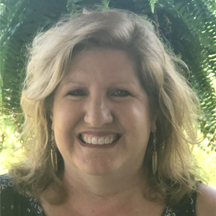
 | Hannah HayesHannah Hayes was a co-developer of the New to Public Health Residency Program. In 2018, Hannah completed her Master of Public Health (MPH) at the University of Wisconsin-Madison. During that time, Hannah partnered with the Southeastern Wisconsin Public Health Nurse Residency Program, where she assisted in the co-development of a toolkit for the dissemination and implementation of the residency program, which served as the foundation for the New to Public Health Residency Program. Hannah Hayes currently works as a nurse at Access Community Health Center. Hannah graduated with her Bachelor of Science in Nursing in 2016. |
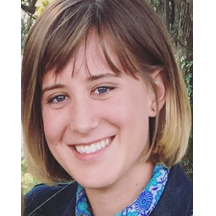
| Lena SwanderLena Swander, MPH, was an epidemiologist with the Chronic Disease Prevention Unit at the Wisconsin Department of Health Services. She monitors chronic diseases and investigates their environmental, social, and behavioral underpinnings to support health promotion programming. |
ACKNOWLEDGEMENTS
A special thank you to the following individuals for allowing us to showcase the work they have done to reduce chronic disease and injury prevention in their respective communities:
- Alex Peeters (Madison, Wisconsin)
- Amanda Santini (Ocean County, New Jersey)
- Amy Popovich (Richmond, Virginia)
- Anneke Mohr (Milwaukee, Wisconsin)
- Carolyn Klosterman (Oconto County, Wisconsin)
- Cynthia Nunnally (Shelby County, Tennessee)
- Deborah McIintosh (San Diego, California)
- Diane Keen (Kennesaw, Georgia)
- Elatris Estell (Shelby County, Tennessee)
- Ellen Henry (Franklin, Wisconsin)
- Haley Storms-Kruchten (State of Minnesota)
- Holli Wilke (Walworth County, Wisconsin)
- Janine Tucker (Milwaukee, Wisconsin)
- Jennifer Cooper (Frederick County, Maryland)
- Jocelyn Vega (American Heart Association, Illinois)
- Juanita Graham (Scott County, Mississippi)
- Kinsey Mannebach (Greendale, Wisconsin)
- Latronda Davis (Atlanta, Georgia)
- Mya Hellenthal (Adams County, Illinois)
- Pam Tomeny (Kennesaw, Georgia)
- Scott Carter (Ocean County, New Jersey)
- Stephanie Toney (Richmond, Virginia)
- Tiffany Copeland (Richmond, Virginia)
PLANNING COMMITTEE MEMBERS
Jill Denson, PhD, ABD, MSW, APSW | Deborah Heim, PhD, MS, MN, BSN | Ajay Sethi, PhD, MHS |
Katie Gillespie, DNP, RN, CPH, FAAN | McKenzie Liegel, MPH, CHES |
|
Cathy Goodpaster, RDH BS | Julianna Manske, MSN, RN, OCN |
|
POLICY ON DISCLOSURE
It is the policy of the University of Wisconsin–Madison Interprofessional Continuing Education Partnership (ICEP) to identify, mitigate and disclose all relevant financial relationships with ineligible companies* held by the speakers/presenters, authors, planners, and other persons who may influence content of this accredited continuing education (CE). In addition, speakers, presenters and authors must disclose any planned discussion of unlabeled/unapproved uses of drugs or devices during their presentation.
For this accredited continuing education activity all relevant financial relationships have been mitigated and detailed disclosures are listed below.
*Ineligible companies are those whose primary business is producing, marketing, selling, re-selling, or distributing healthcare products used by or on, patients.
The ACCME does not consider providers of clinical services directly to patients to be ineligible companies.
See each session for additional information about its faculty.
Name | Role | Financial Relationship Disclosures | Discussion of Unlabeled/Unapproved uses of drugs/devices in presentation? |
| Judith Amorsen | Speaker/Author, Peer Reviewer | No relevant relationships with ineligible companies to disclose | No |
| Beneli Andert | Speaker/Author, Peer Reviewer | No relevant relationships with ineligible companies to disclose | No |
| Linda Baumann | Speaker/Author, Peer Reviewer | No relevant relationships with ineligible companies to disclose | No |
| Mallory Bejster | Speaker/Author, Peer Reviewer | No relevant relationships with ineligible companies to disclose | No |
| Nina Berge | Sub-Committee Member | No relevant relationships with ineligible companies to disclose | No |
| Sanjib Bhattacharyya | Speaker/Author, Peer Reviewer | No relevant relationships with ineligible companies to disclose | No |
| Julie Bigley | Speaker/Author, Peer Reviewer | No relevant relationships with ineligible companies to disclose | No |
| Paula Bizot | Speaker/Author, Peer Reviewer | No relevant relationships with ineligible companies to disclose | No |
| Laura Conklin | Speaker/Author, Peer Reviewer | No relevant relationships with ineligible companies to disclose | No |
| Jennifer Cooper | Speaker/Author, Peer Reviewer | No relevant relationships with ineligible companies to disclose | No |
| Jill Denson | Committee Member | No relevant relationships with ineligible companies to disclose | No |
| Melissa Draper | Speaker/Author, Peer Reviewer | - See session 7 - | - See session 7 - |
| Christopher Fox | Speaker/Author, Peer Reviewer | No relevant relationships with ineligible companies to disclose | No |
| Kiersten Frobom | Speaker/Author, Peer Reviewer | No relevant relationships with ineligible companies to disclose | No |
| Sue Gaard | Sub-Committee Member | No relevant relationships with ineligible companies to disclose | No |
| Gillian Giglierano | Speaker/Author, Peer Reviewer | No relevant relationships with ineligible companies to disclose | No |
| Katie Gillespie | Committee Member | No relevant relationships with ineligible companies to disclose | No |
| Cathy Goodpasture | Committee Member | No relevant relationships with ineligible companies to disclose | No |
| Joy Harris | Speaker/Author, Peer Reviewer | No relevant relationships with ineligible companies to disclose | No |
| Deborah Heim | Committee Member | No relevant relationships with ineligible companies to disclose | No |
| Michael Jaeb | Speaker/Author, Peer Reviewer | No relevant relationships with ineligible companies to disclose | No |
| Jessica LeClair | Speaker/Author, Peer Reviewer | No relevant relationships with ineligible companies to disclose | No |
| McKenzie Liegel | Committee Member, Peer Reviewer | No relevant relationships with ineligible companies to disclose | No |
| Julianna Manske | Committee Member, Peer Reviewer | No relevant relationships with ineligible companies to disclose | No |
| Rachel Meyer | Speaker/Author, Peer Reviewer | No relevant relationships with ineligible companies to disclose | No |
| Tracy Mrochek | Sub-Committee Member | No relevant relationships with ineligible companies to disclose | No |
| Claire Opsteen | Speaker/Author, Peer Reviewer | No relevant relationships with ineligible companies to disclose | No |
| Rob Poehnelt | Sub-Committee Member | No relevant relationships with ineligible companies to disclose | No |
| Jessica Rubenstein | Speaker/Author, Peer Reviewer | No relevant relationships with ineligible companies to disclose | No |
| Laura Saunders | Speaker/Author, Peer Reviewer | No relevant relationships with ineligible companies to disclose | No |
| Kim Schneider | Speaker/Author, Peer Reviewer | No relevant relationships with ineligible companies to disclose | No |
| Tracy Schroepfer | Speaker/Author, Peer Reviewer | No relevant relationships with ineligible companies to disclose | No |
| Ajay Sethi | Committee Member, Speaker/Author, Peer Reviewer | No relevant relationships with ineligible companies to disclose | No |
| Jessica Solcz | Speaker/Author, Peer Reviewer | No relevant relationships with ineligible companies to disclose | No |
| Kelli Stader | Speaker/Author, Peer Reviewer | No relevant relationships with ineligible companies to disclose | No |
Accreditation Statement
 | In support of improving patient care, the University of Wisconsin–Madison ICEP is jointly accredited by the Accreditation Council for Continuing Medical Education (ACCME), the Accreditation Council for Pharmacy Education (ACPE), and the American Nurses Credentialing Center (ANCC) to provide continuing education for the healthcare team. |
Credit Designation Statements
American Nurses Credentialing Center (ANCC)
The University of Wisconsin–Madison ICEP designates this Internet Enduring Material for a maximum of 7.25 ANCC contact hours.
ASWB Approved Continuing Education (ACE) – Social Work Credit
As a Jointly Accredited Organization, the University of Wisconsin–Madison ICEP is approved to offer social work continuing education by the Association of Social Work Boards (ASWB) Approved Continuing Education (ACE) program. Organizations, not individual courses, are approved under this program. State and provincial regulatory boards have the final authority to determine whether an individual course may be accepted for continuing education credit. University of Wisconsin–Madison ICEP maintains responsibility for this course. Social workers completing this course receive 7.25 general continuing education credits.
American Dental Association’s Continuing Education Recognition Program (ADA CERP)
 | The University of Wisconsin–Madison Interprofessional Continuing Education Partnership (ICEP) is an ADA CERP Recognized Provider. ADA CERP is a service of the American Dental Association to assist dental professionals in identifying quality providers of continuing dental education. ADA CERP does not approve or endorse individual courses or instructors, nor does it imply acceptance of credit hours by boards of dentistry. Concerns or complaints about a CE provider may be directed to the provider or to the Commission for Continuing Education Provider Recognition at ADA.org/CERP. The University of Wisconsin–Madison Interprofessional Continuing Education Partnership (ICEP) designates this activity for 7.25 continuing education credits. Concerns or complaints about a CE provider may be directed to the provider, or to the Commission for Continuing Education Provider Recognition at ADA.org/CERP. |
Continuing Education Units (CEUs)
The University of Wisconsin–Madison ICEP, as a member of the University Professional & Continuing Education Association (UPCEA), authorizes this program for .725 CEUs or 7.25 hours.
Certified Health Education Specialists (CHES)
Sponsored by University of Wisconsin–Madison ICEP, a designated provider of continuing education contact hours (CECH) in health education by the National Commission for Health Education Credentialing, Inc. This program is designated for Certified Health Education Specialists (CHES) and/or Master Certified Health Education Specialists (MCHES) to receive up to 7.25 total Category I continuing education contact hours. Continuing Competency credits available are 7.25.
Available Credit
- 7.25 ADA CERP Continuing Education Credits
- 7.25 ANCC Contact Hours
- 7.25 CECH Approved Credits
- 7.25 University of Wisconsin–Madison Continuing Education Hours
Registration Information
The New to Public Health Residency Program limits registration to applicants accepted into the program. To learn more or apply to the program, please visit https://new2publichealth.wisc.edu/apply/ or email [email protected].
Registration for this activity can only be completed through the ICEP Learning Portal. Attendee registrations made through any other sites cannot be honored. UW-Madison ICEP is not able to refund fees paid through unaffiliated registration sites, such as eMedEvents.com, MedConfWorld.com, EventEgg.com, and 10times.com. Please report any unauthorized websites or solicitations for registrations to [email protected].
Accessibility
If you need anything to participate in this program, please contact [email protected].
Required Hardware/software
Free, current version of Chrome, Firefox, Safari, or Microsoft Edge with audio and video capabilities. Some older browsers and Internet Explorer could produce error messages or not display the content correctly.
~~~~~
Please note that the CDC is currently modifying its website in response to emerging federal executive orders. As a result, some links may become temporarily unavailable or broken. If you encounter any broken links, we encourage you to contact program facilitators at [email protected] so we can address the issue and provide you with an alternative resource. Thank you for your understanding and assistance!